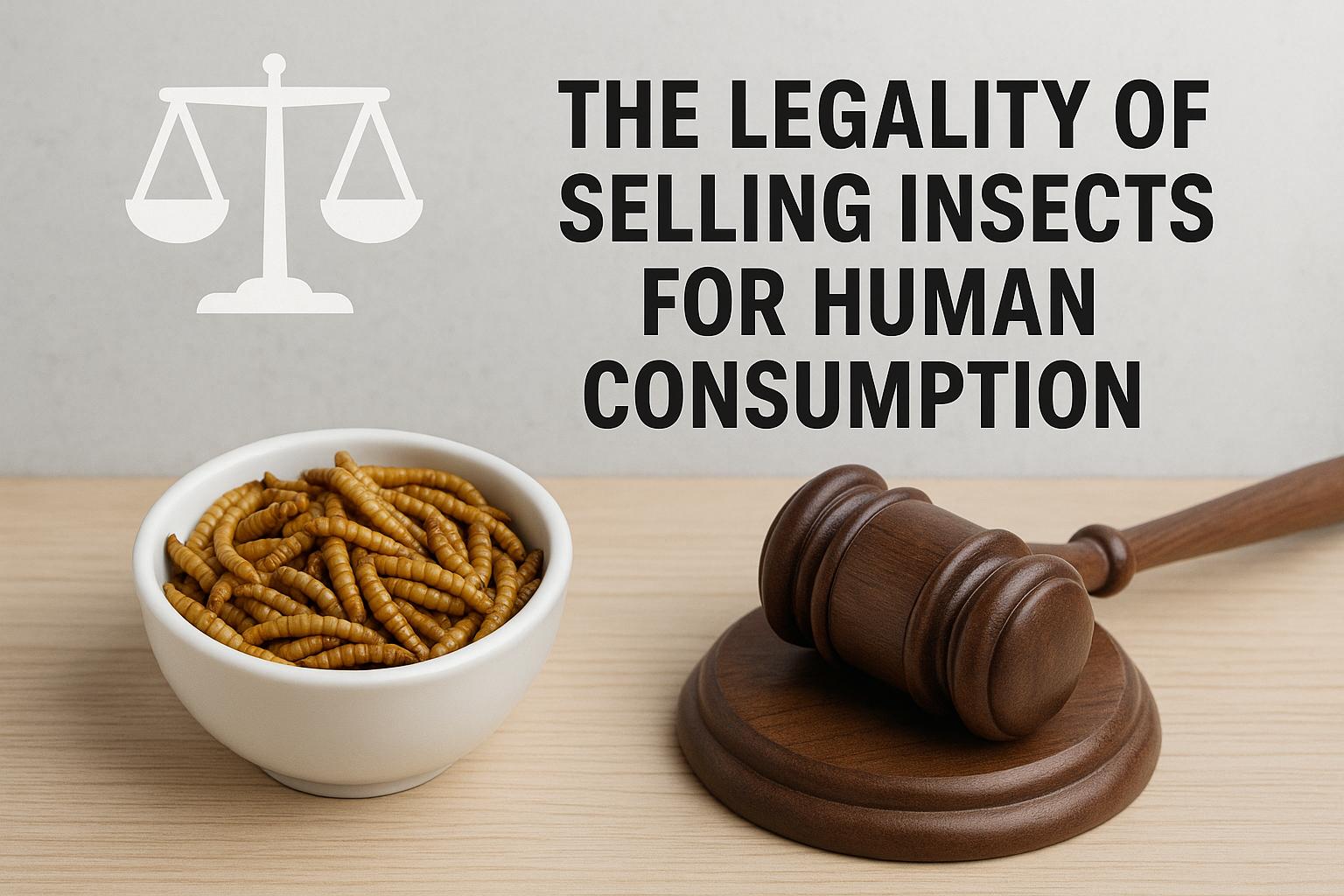
The Legal Landscape of Selling Insects for Human Consumption
Insects have been a staple in human diets across various cultures for centuries. The practice of consuming insects, known as entomophagy, is deeply rooted in many cultural traditions and provides a sustainable source of nutrition. However, the regulatory environment governing the sale of insects for human consumption varies significantly across different jurisdictions. This comprehensive analysis explores the legality of selling insects for human consumption in various regions and highlights the complexities involved in the regulatory landscape.
United States
In the United States, the Food and Drug Administration (FDA) is the primary regulatory body overseeing the sale of insects as food. The FDA classifies insects as either a food ingredient or a food product, depending on their presentation and marketing strategy. For insect-based foods to be legally sold, they must be safe, wholesome, and properly labeled. This includes compliance with regulations concerning allergens, nutritional values, and any claims made on packaging. Businesses engaged in the sale of insect-based products must adhere to Good Manufacturing Practices (GMP) to ensure that products do not pose any health risks to consumers.
Production and Safety Regulations
To manage the risk of contamination, it is essential that insects are raised specifically for human consumption rather than sourced from the wild. This controlled breeding environment helps maintain higher safety standards and reduce the likelihood of introducing pathogens or harmful substances into the food supply. The U.S. Department of Agriculture (USDA) also plays a role in regulating the safety of these products, particularly when insect farming includes meat-like components from livestock, although such cases are currently less common.
Primary Challenges for Producers
The primary challenge faced by insect food producers in the United States is ensuring compliance with the Food Safety Modernization Act (FSMA). This act emphasizes the prevention of foodborne illnesses, requiring producers to establish that their products are neither harmful nor adulterated. Given the novel nature of these foods, navigating the compliance landscape can be complex and demanding.
Producers must undergo significant scientific evaluations and testing to demonstrate the safety and efficacy of their products. This includes documenting sourcing, production methods, and risk assessments for any potential food safety hazards. The rapidly evolving regulatory requirements necessitate that businesses remain vigilant and adaptable to maintain compliance.
European Union
In the European Union (EU), a structured regulatory framework exists for the sale of insects as food. Since January 2018, insects have been covered under the EU’s Novel Food Regulation (EU Regulation 2015/2283). This regulation was designed to ensure that novel foods, those not significantly consumed by humans within the EU before May 1997, are safe for consumption and undergo an extensive authorization process before they reach the market.
Key Requirements for Market Entry
Manufacturers looking to introduce insect-based products in the EU must demonstrate their safety through detailed scientific assessments. These assessments are conducted to analyze potential risks, including allergenic reactions and nutritional adequacy. Additionally, products must meet stringent standards regarding nutritional content, hygiene, and labeling before receiving proper authorization.
The European Food Safety Authority (EFSA) plays a crucial role in evaluating applications for novel foods, ensuring that they are safe for consumer consumption and environmentally sustainable. EFSA’s evaluations are rigorous, often involving peer-reviewed scientific studies to substantiate claims made by producers.
Moreover, the EU emphasizes transparency in labeling, requiring that all ingredients be clearly listed, along with any potential allergens to inform consumer choices. Companies are responsible for providing accurate information to ensure consumer safety and compliance with the transparency regulations stipulated by EU authorities.
Asia
In Asia, the regulatory landscape for selling insects as food is diverse. Some countries, like Thailand and parts of China, have a long tradition of consuming insects, such as crickets, grasshoppers, and silkworm pupae. In these regions, the sale of insects is largely traditional and often lacks formal regulatory oversight, relying instead on established practices and cultural norms.
Varying Degrees of Regulation
In more developed regions like Japan and South Korea, there is increasing regulatory oversight to ensure food safety. Regulations often emerge from public health concerns and consumer protection standards, which vary on a regional basis. In Japan, for example, the Ministry of Health, Labour and Welfare oversees food safety regulations that apply to insect products, often demanding hygiene and safety standards similar to those for traditional foods.
Conversely, countries like India are still in the initial stages of developing regulatory frameworks specific to the consumption of insects. The Food Safety and Standards Authority of India (FSSAI) is responsible for ensuring food safety but has yet to establish comprehensive regulations tailored to insects. As interest in alternative proteins grows, the demand for structured guidelines is likely to increase, leading to more formalized regulatory structures in the near future.
Conclusion
The legality of selling insects as edible products remains a dynamic and developing area within food regulation. Countries with established regulations provide a blueprint for the safe production and sale of insect-based foods, setting precedents for emerging markets. However, regions without formalized guidelines face the challenge of creating frameworks that balance consumer safety, cultural practices, and commercial opportunities.
Prospective businesses looking to enter the insect food market must be well-versed in the varied regulatory landscapes to ensure compliance and product safety. As consumer interest in sustainable and alternative protein sources continues to grow, regulatory bodies worldwide must adapt and evolve to address this emerging sector’s unique challenges and opportunities. By ensuring adherence to local and international standards, producers can effectively navigate the legal landscape, contributing to a sustainable food future.