Introduction to Eating Insects
The concept of eating insects, although novel to many, can serve as a remarkable educational opportunity when presented to children. Across various corners of the globe, numerous cultures integrate insects into their daily meals, reaping their nutritional offerings while also benefiting from their sustainable characteristics. This practice, known as entomophagy, stands not only to diversify children’s insights into global dietary customs but also plays a pivotal role in anchoring initiatives directed towards sustainable food solutions.
Nutritional Benefits of Insects
From a nutritional standpoint, insects stand out as a robust source of essential nutrients. They are densely packed with proteins, vitamins, and minerals which are vital for growth and development. Species such as crickets and mealworms are particularly noted for their high protein content, often equivalent to or surpassing that found in conventional meat sources like beef or chicken. More than just proteins, insects offer indispensable amino acids, crucial omega-3 and omega-6 fatty acids, and an array of micronutrients that include iron, zinc, and magnesium. These components contribute significantly to balanced nutrition and can help shape healthy dietary habits from a young age.
Environmental Impact
The inclusion of insects in diets holds potential for a substantial positive effect on the environment. Compared to traditional livestock, insect farming demands markedly lower quantities of land, water, and feed. This reduced reliance on natural resources extends to a decreased emission of greenhouse gases, positioning insect farming as a more environmentally friendly alternative. Educating children about these environmental aspects can instill an early appreciation for sustainable practices and the importance of reducing environmental footprints. Presenting these facts provides a foundation for children to understand and advocate for sustainable choices in their own food selections and lifestyle habits.
Introducing the Topic to Children
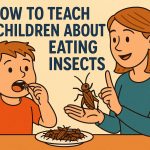
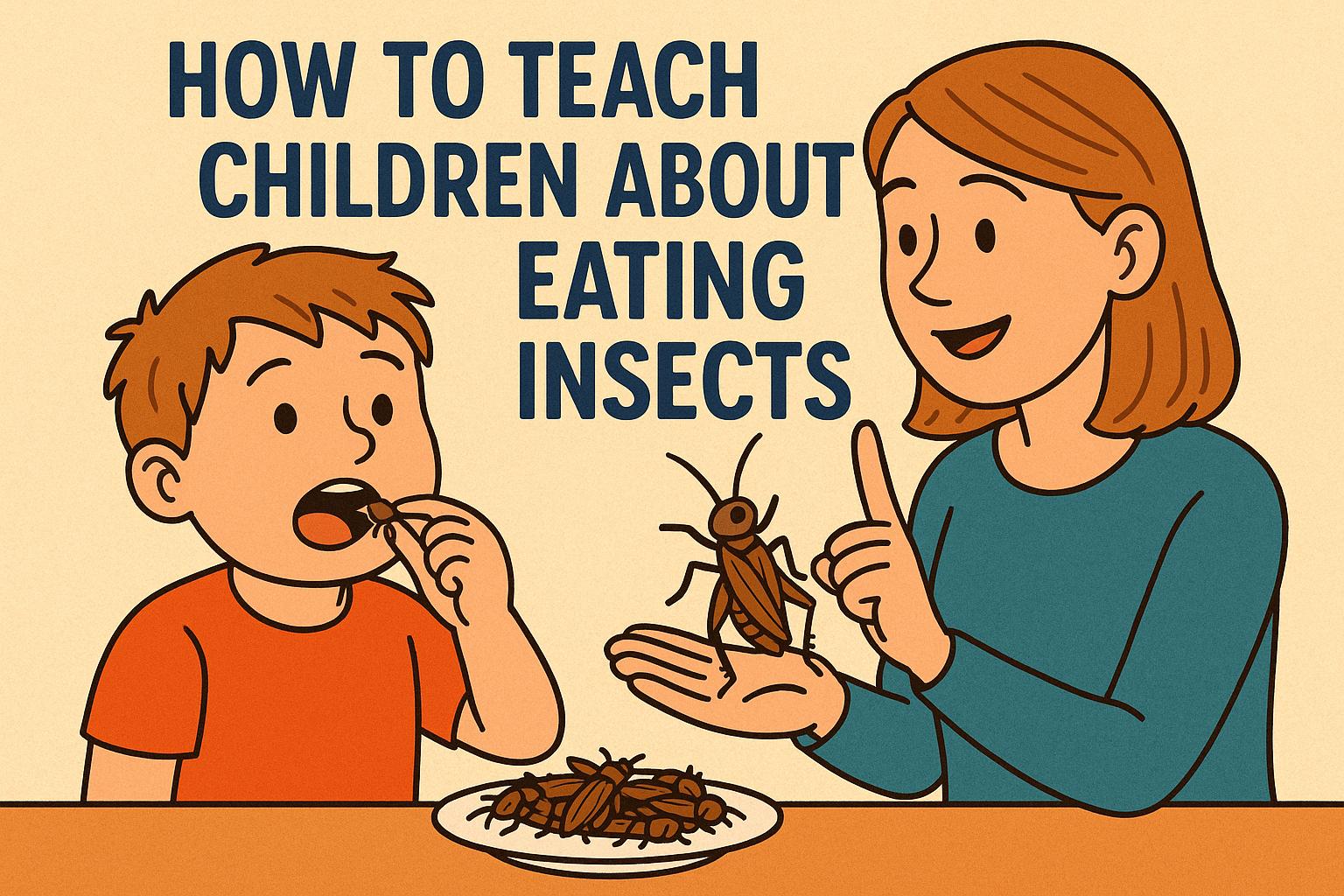
When engaging with children on the topic of insect consumption, it is important to maintain an open and objective approach. Initiating this dialogue can be enhanced through the sharing of fascinating stories and activities that highlight the cultural relevance and historical background of entomophagy in various societies. Discussion can start with introducing different types of insects that are commonly consumed around the world, followed by exploring the myriad of dietary benefits they offer. To make the learning process enjoyable and impactful, interactive methods such as storytelling, cultural documentaries, or even themed art projects can be employed. These engaging methods help embed the knowledge profoundly, making it more relatable and memorable for children.
Tasting and Exploration
A tangible approach to solidifying the concept of entomophagy is through organizing tasting sessions for children. With a keen focus on safety, ensure that the edible insects are procured from verified, reputable suppliers and are appropriately cooked and prepared before consumption. Tasting sessions allow children to explore the world of entomophagy firsthand, encouraging them to articulate their perceptions regarding the flavors and textures they experience. A clever method to ease apprehensions is by incorporating insects into commonly enjoyed dishes; for example, adding cricket powder to smoothies or baking cookies with insect flour. This blending of insects into familiar meals can serve as a gentle introduction, gradually acclimatizing children to this innovative food resource.
Resources for Further Exploration
To augment their learning journey, children should be equipped with a variety of resources such as books, multimedia content, and reliable educational websites. These resources can offer deeper insights into the topic and are readily available. Start with platforms and organizations that advocate for insect consumption, providing comprehensive information about its benefits and global standing. Such materials can spark curiosity and encourage exploration, showing children how diverse cultures incorporate insects into their cuisine. Encouraging exploration allows children to appreciate the global aspect of food practices and broadens their understanding of how nutrition and culture are intertwined.
Conclusion
Introducing the concept of consuming insects to children transcends the mere introduction of an unusual dietary choice. It encompasses broadening their outlook on the world, fostering habits that contribute to nutritional well-being, and instilling a commitment to environmental sustainability. By imparting knowledge founded on facts and facilitating engaging learning experiences, children can develop a well-rounded and informed perspective on this unconventional but advantageous food source. Through such educational endeavors, children are poised to become informed advocates of sustainable living, empowered with the understanding that their choices can significantly impact the world around them in beneficial ways.