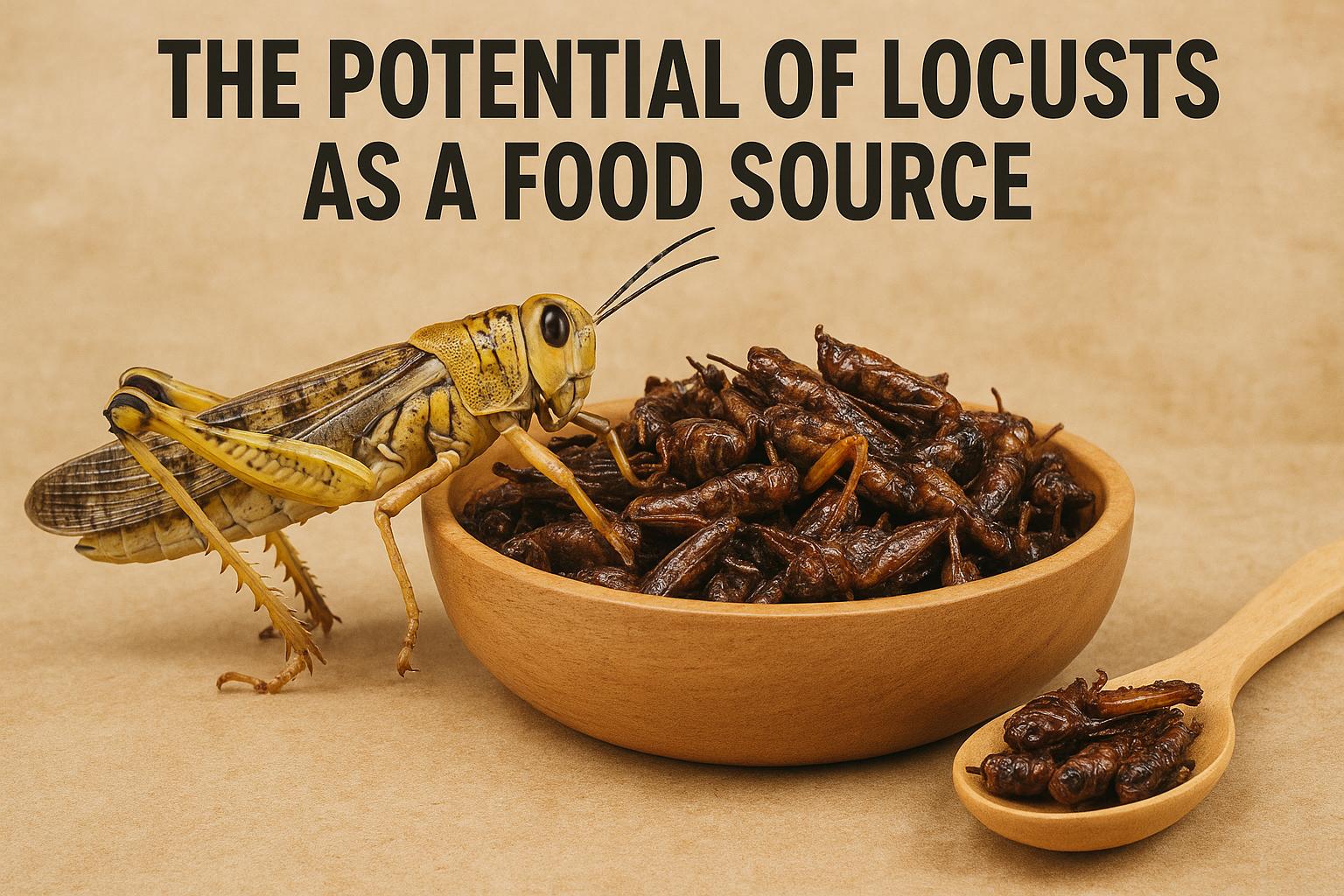
Introduction to Locusts as a Food Source
Locusts have been part of the human diet in various cultures for centuries. With the increasing demand for sustainable and alternative protein sources, the potential of locusts as a mainstream food option is gaining attention. This article explores the nutritional benefits, environmental impacts, and economic factors associated with locust consumption.
Nutritional Value of Locusts
Locusts are notable for their high protein content, making them an excellent source of this essential nutrient. They contain up to 70% protein by dry weight, which is higher than that found in conventional meat sources such as beef and chicken. In addition to protein, locusts are rich in essential amino acids, omega-3 fatty acids, and vitamins such as B12, which are vital for maintaining good health.
Proteins and Amino Acids
The proteins in locusts provide all the essential amino acids required by humans. This makes them a complete protein source, similar to animal-based proteins. Consuming locusts can be particularly beneficial in regions where protein deficiency is a concern. This attribute of locusts significantly elevates their potential as a primary protein source, especially in areas where access to conventional protein sources is limited or economically inviable.
Healthy Fats and Vitamins
Locusts are a source of healthy fats, specifically omega-3 and omega-6 fatty acids. These fats are crucial for maintaining cardiovascular health and brain function. Locusts not only provide these beneficial fats but also offer a range of vitamins and minerals that contribute to overall wellbeing. Essential minerals like zinc, iron, and magnesium are abundant in locusts, enhancing their nutritional appeal. Such a nutrient-dense profile underscores their role as a viable supplement to or even replacement for traditional livestock proteins in various diets across the globe.
Environmental Impact
The environmental impact of locust farming is significantly lower compared to traditional livestock agriculture. Locusts require less land, water, and feed to produce the same amount of protein. Their farming generates lower levels of greenhouse gases, reducing their ecological footprint. This makes them a viable option in the pursuit of sustainable food production.
Efficient Resource Utilization
Locusts can be raised using minimal resources. They consume considerably less water and produce less waste compared to traditional livestock, making their farming more efficient and environmentally friendly. This efficiency extends to their ability to convert feed into protein at a higher rate than cattle, pigs, or poultry, reinforcing the sustainability of locust farming practices. Additionally, the rapid growth and high reproductive rates of locusts amplify their potential to meet food production needs at a lower environmental cost.
Economic Advantages
Besides the environmental benefits, locust farming offers substantial economic advantages. The low production costs associated with raising locusts make them a cost-effective protein source. This can provide economic opportunities for farmers, especially in regions where locusts naturally proliferate. Locust farming requires fewer inputs and smaller capital investments compared to conventional livestock farming, reducing barriers to entry for new farmers and potentially stimulating rural economies.
Potential for Global Food Security
The adaptability of locusts to various environments makes them a potential solution to global food security challenges. By integrating locusts into food supply chains, regions affected by food scarcity can leverage a locally available resource to enhance their food security. This adaptability is particularly valuable in areas facing climate variability and resource scarcity, as locust farming can offer a reliable and sustainable protein supply regardless of climatic conditions.
Challenges and Considerations
Despite their potential, the integration of locusts into the global food market faces several challenges. Cultural perceptions and dietary habits play a significant role in consumer acceptance. Many cultures have not traditionally consumed insects, and there might be subconscious biases or psychological barriers to overcome. Efforts to educate and inform the public about the health benefits and environmental advantages of eating locusts are essential in overcoming these barriers. Additionally, setting up regulations and ensuring safe farming practices are imperative to address health and safety concerns associated with insect farming and consumption.
Conclusion
In conclusion, locusts offer substantial nutritional and environmental benefits as a food source. Their potential to contribute to sustainable food systems is significant. However, widespread adoption depends on addressing cultural perceptions and ensuring safe and efficient farming practices. As research and advocacy continue, locusts may become an increasingly common feature in global diets. Public awareness campaigns alongside scientific research can assist in accelerating this transition. For more information, you may explore other resources on sustainable food systems, such as this link.
With increased knowledge and acceptance, locust consumption could mark a pivotal step toward more sustainable, efficient, and secure global food systems. The journey to mainstreaming locusts as a viable food source will require commitment from diverse stakeholders, including policy-makers, researchers, and the food industry, to ensure that benefits are realized globally.