The Role of Insects in Paleo and Keto Diets
The inclusion of insects in human diets is not a new phenomenon; it has been a part of many traditional cuisines around the world. Recently, insects are gaining attention within modern dietary trends such as the Paleo and Keto diets. This interest is largely driven by the nutritional benefits and sustainability of insect consumption.
Nutritional Benefits of Insects
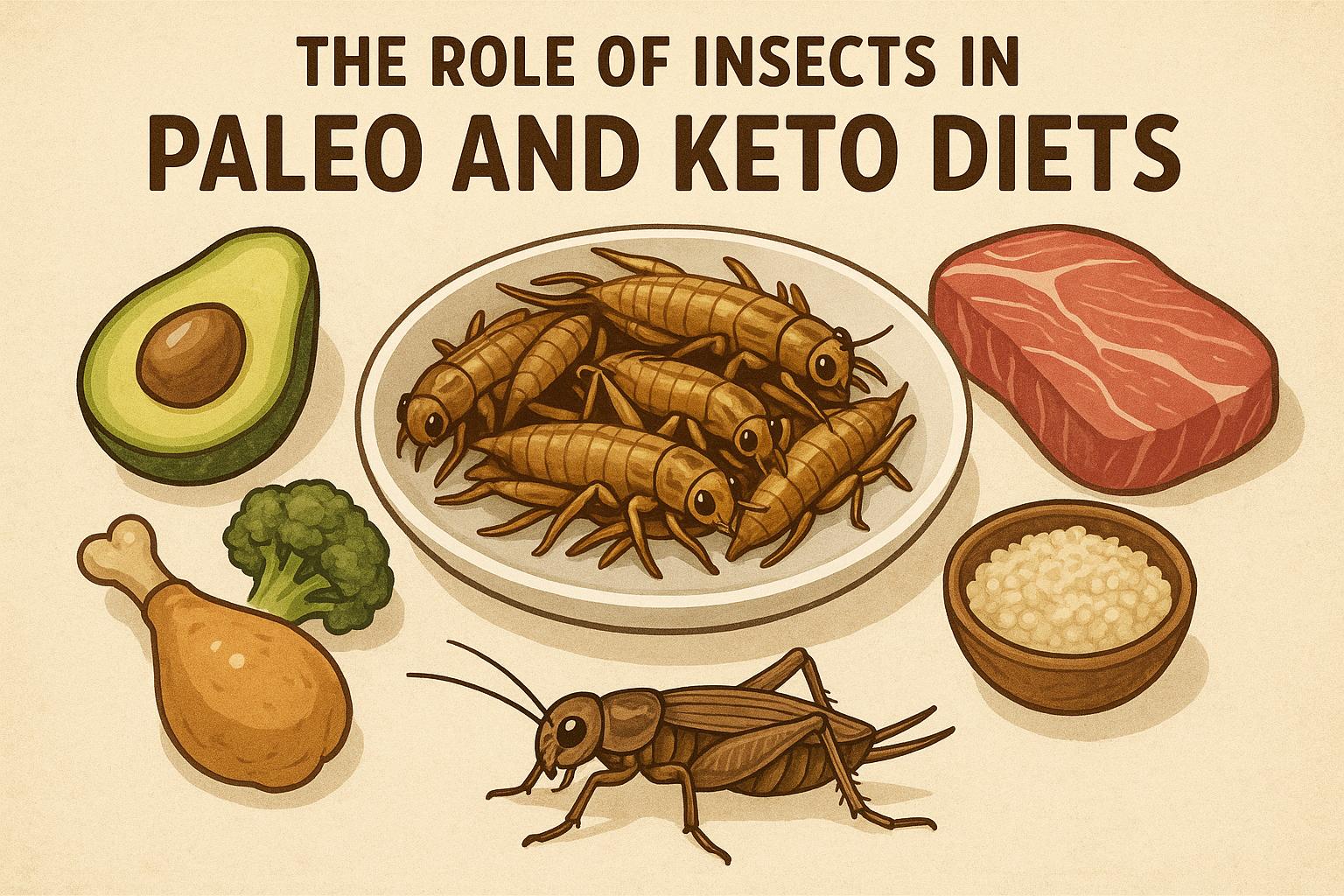
Insects are a rich source of protein, containing amounts similar to or even greater than traditional livestock. For followers of the Paleo diet, which emphasizes foods presumed to have been available to humans during the Paleolithic era, insects fit well because they were likely consumed by our ancestors.
Moreover, insects contain essential amino acids, vitamins, and minerals. They are especially rich in vitamin B12, iron, and zinc — nutrients crucial for maintaining overall health. For those on a Keto diet, which requires a high-fat, low-carbohydrate intake, insects can be an ideal food choice due to their high levels of healthy fats and proteins that complement keto nutritional requirements.
Environmental and Economic Factors
The environmental impact of insect farming is considerably lower compared to conventional livestock farming. Insects require less space, water, and feed, making them a more sustainable option. This makes insect consumption an attractive feature for diet models aimed at reducing the ecological footprint.
Economically, insect farming can be more cost-effective, leading to a potential decrease in food prices. The reduced resource demand and high nutritional value provide an impetus for considering insects as a sustainable food source in the context of global food security challenges.
Challenges and Considerations
Despite the benefits, incorporating insects into the Paleo and Keto diets faces several challenges. One significant barrier is consumer perception and the “yuck” factor associated with eating insects in many Western cultures. Overcoming these biases is crucial for broader acceptance.
Regulatory standards also pose challenges. As the popularity of edible insects grows, food safety regulations need to keep pace to ensure consumer safety and consistency in product quality.
Incorporating Insects Into Diets
For those interested in adding insects to their Paleo or Keto diets, several forms are available. Commonly consumed insects include crickets, mealworms, and grasshoppers, often found in the form of flours, protein bars, and snacks. These products make it easier to integrate insects into everyday meals without requiring complex preparation methods.
In conclusion, insects offer a viable addition to both Paleo and Keto diets, providing substantial nutritional, environmental, and economic benefits. As consumer acceptance increases and regulatory frameworks evolve, insects could become a staple component of these dietary approaches.
Exploring the Foundations of Paleo and Keto Diets
To understand the role of insects in these diets, it’s essential to first explore the foundational principles of the Paleo and Keto diets. Both diets focus on particular macronutrient ratios, albeit in different ways, to achieve specific health benefits.
The Basics of the Paleo Diet
The Paleo diet is based on foods that would have been accessible to humans during the Paleolithic era, which dates from around 2.5 million to 10,000 years ago. The diet excludes agricultural products such as grains, legumes, and processed foods, focusing instead on meats, fish, fruits, vegetables, nuts, and seeds.
Key to the Paleo diet is the idea that modern diets with processed foods are mismatched to the genetic makeup of our species. By reverting to ancestral eating patterns, followers believe they can improve health and reduce the risk of modern lifestyle diseases.
The Keto Diet and Its Macronutrient Profile
The Keto, or ketogenic, diet is characterized by a high intake of fats, moderate proteins, and very low carbohydrates. This macronutrient distribution aims to bring the body into a metabolic state called ketosis, where fat becomes the primary energy source instead of glucose.
Ketosis involves the production of ketones, which the body uses for fuel in the absence of adequate carbohydrates. By significantly reducing carbohydrate intake, Keto dieters seek benefits such as weight loss and improved mental clarity.
Aligning Insects with Paleo Principles
Insects align well with the Paleo diet for several reasons. Firstly, they have been a natural part of the human diet for millennia, long before the advent of agriculture. The high protein and nutrient content of insects further positions them within Paleo-friendly food options, offering the benefits of whole, unprocessed nutrition.
Additionally, the practice of eating insects predates industrial farming, fitting neatly into the Paleo lifestyle’s emphasis on natural, unprocessed foods that reflect early human eating habits.
Insect Consumption in a Ketogenic Context
For Keto enthusiasts, insects provide an attractive addition due to their balanced macronutrient profile. Unlike many protein sources that contain traceable levels of carbohydrates, many edible insects come with negligible carbs, making them suitable for maintaining ketosis.
Insects like crickets have a favorable fat-to-protein ratio, aligning with Keto goals. When prepared properly, they can be incorporated into meals that adhere to this diet’s stringent requirements, providing another layer of diversity to meal planning.
Case Studies on Insect-Based Nutrition
To further explore the practicality of insects within the Paleo and Keto diets, several case studies offer insights into how these foods are currently being incorporated and their broader implications.
Adoption of Insect-based Products
In several countries, companies have emerged, producing insect-based products such as cricket protein powder, insect-infused energy bars, and other snack foods. These products are marketed heavily towards fitness enthusiasts, Paleo and Keto dieters, and those conscious of their environmental footprint.
In Thailand, for example, the practice of farming crickets and other edible insects has grown exponentially, often referred to as one of the pioneering examples of commercial insect farming. The ease with which insects can be transformed into familiar food formats has been crucial in their acceptance.
Research on Nutrient Absorption and Effects
Research into the nutritional absorption from insect-based foods shows promising results, indicating they can serve as a bioavailable source of essential nutrients. Studies have demonstrated, for instance, that the iron and protein content in crickets is readily absorbed, leading to potential benefits in muscle building and energy levels.
Environmental Studies and Impact Evaluations
Environmental studies consistently highlight the reduced carbon footprint associated with insect farming. In comparison to beef production, crickets produce significantly fewer greenhouse gases and require substantially less water and land, making them ideal for sustainable practices.
The life cycle analysis of insect farming shows it also contributes positively to soil health through less intensive farming practices. Such benefits are not only crucial for environmental sustainability but also enhance the profile of insects within eco-conscious diet plans.
Consumer Feedback and Market Trends
Feedback from consumers who have transitioned to insect-based diets emphasizes their satisfaction with the nutrient density and environmental ethics these foods support. Market trends suggest a steady increase in demand, paralleled by rising awareness and gradual cultural shifts towards accepting unconventional protein sources. The willingness to try insect-based foods appears to increase when consumers are educated about the benefits and given appealing presentation options.
In summary, the integration of insects into Paleo and Keto diets continues to gain traction due to multiple benefits. The enhancement of nutritional profiles, coupled with a commitment to sustainability, positions insect consumption as a forward-thinking dietary option. As the market evolves and consumer perceptions shift, the role of insects in modern nutrition may further solidify, offering impactful solutions to contemporary health and environmental challenges.