The Role of Insects in Pet Food Production
The integration of insects into pet food production is emerging as a groundbreaking strategy that addresses several prevalent issues within the pet food industry, ranging from environmental sustainability to nutritional adequacy. As the global population continues to rise, the demand for protein has intensified, putting pressure on conventional animal agriculture. Consequently, the exploration of alternative protein sources like insects is not only innovative but also essential in tackling the myriad challenges related to modern food production.
Sustainability of Insects as a Protein Source
Insects, over millennia, have been an integral part of the ecological food chain and contribute significantly to ecosystems. In the context of pet food production, their role as a protein source is particularly appealing due to their sustainability. Insect farming boasts a minimal environmental footprint, utilizing significantly fewer natural resources such as land and water compared to traditional livestock farming. Moreover, insects have a unique biological ability to convert organic waste into high-quality protein, a process that enhances their sustainability quotient.
Reducing the Environmental Impact
The rearing of insects generates significantly lower greenhouse gas emissions in comparison to traditional livestock. This reduction is vital in the current scenario of escalating climate change concerns. For instance, the carbon dioxide emissions from insect production are considerably lesser, aiding in mitigating the overall carbon footprint of the pet food industry. Additionally, the compact farming methods used for insect cultivation mean that space constraints do not pose a major issue, allowing for efficient use of land resources.
Nutritional Value of Insect-Based Pet Food
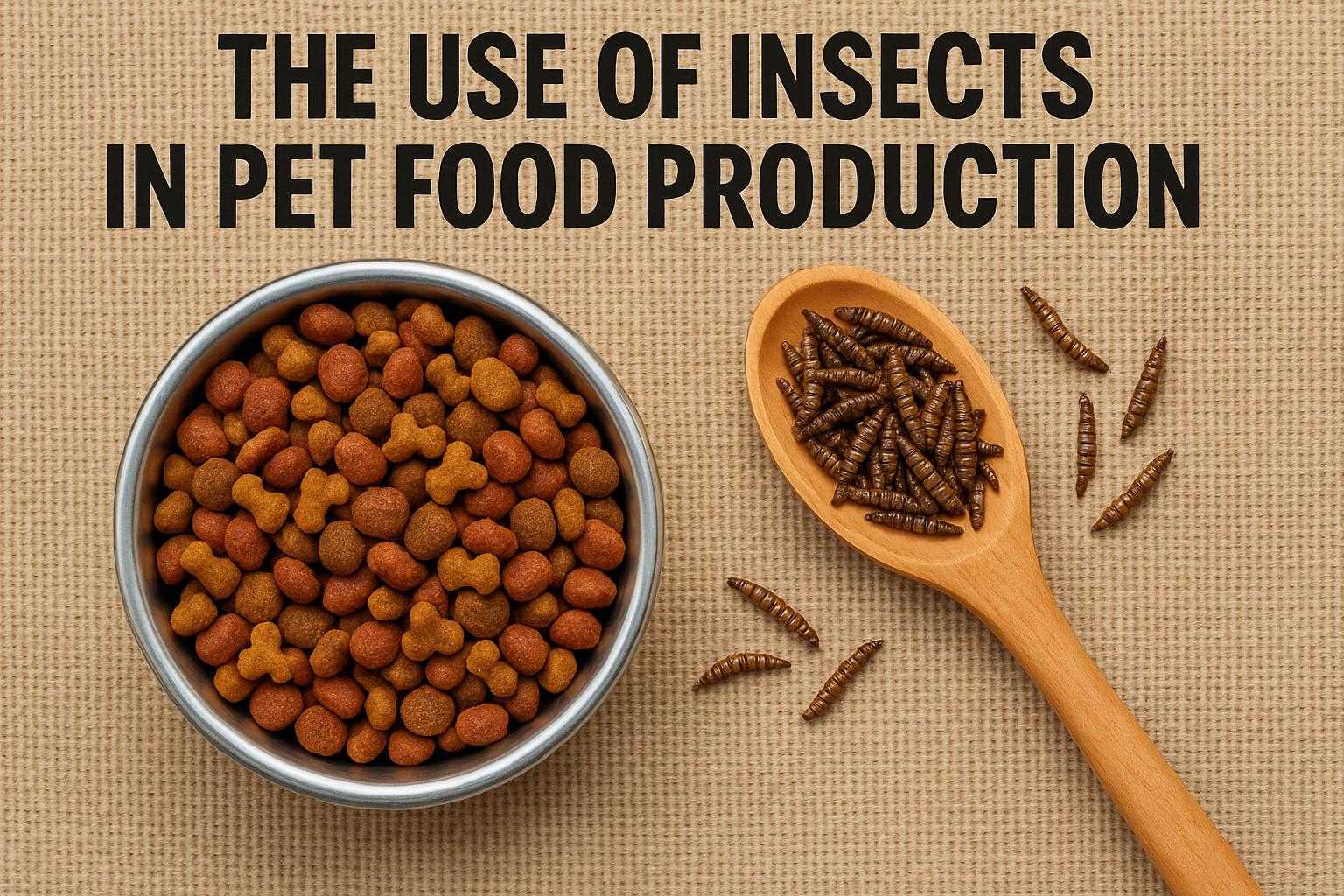
From a nutritional standpoint, insects are a powerhouse of essential nutrients that are beneficial for pets. Delving into the specific types of insects commonly utilized in pet food, such as black soldier fly larvae, mealworms, and crickets, unveils a wealth of nutrients integral to a pet’s diet. These insects offer a comprehensive nutrient profile, thereby supporting the overall health and vitality of pets.
Black Soldier Fly Larvae, Mealworms, and Crickets
Black soldier fly larvae (BSFL), for instance, are abundant in protein and lipids, offering a high energy source for pets. Mealworms are also rich in protein and contain healthy fats, alongside a range of vitamins and minerals. Crickets, another popular choice, provide a high protein content and are rich in essential amino acids that are vital for muscle development and repair.
Key Nutrients Found in Insects
The high protein content in insects makes them an outstanding alternative to meat-based proteins that are typically used in pet foods. The proteins derived from insects are also rich in essential amino acids that contribute to various bodily functions. Additionally, the fats found in insects, particularly the essential fatty acids, aid in maintaining not only healthy skin and a shiny coat for pets but also support brain function and overall cellular health. The range of vitamins and minerals such as various B-vitamins and zinc are equally crucial, offering support in multiple physiological processes, including the immune response and metabolic functions.
Challenges and Considerations
Despite the clear benefits associated with insect-based pet food, several challenges exist within this burgeoning industry. A primary concern is public perception and consumer acceptance. In many Western cultures, the idea of consuming insects, whether directly or through pet food, can seem foreign or unappealing. Therefore, educating the public about the benefits of insect protein is essential for wider acceptance.
Addressing Public Perceptions
Efforts to overcome skepticism involve increasing transparency in production processes and emphasizing the nutritional and environmental benefits of insect-based foods. Conducting comprehensive studies that detail the safety and nutritional equivalence or superiority of such proteins can further bolster public confidence.
Ensuring Quality and Consistency in Production
Another significant challenge is maintaining stringent quality control and consistency in production processes. As with any food production industry, ensuring that the nutritional quality is consistent across batches is critical to consumer trust and satisfaction. Implementing robust quality assurance protocols helps address these challenges, ensuring the products meet rigorous nutritional standards and consumer expectations.
Regulations and Industry Standards
Adhering to regulatory frameworks is vital for safely integrating insect proteins into pet foods. Agencies such as the Food and Drug Administration (FDA) in the United States and the European Food Safety Authority (EFSA) in Europe provide comprehensive guidelines to ensure that insect-based products adhere to safety and quality standards. These standards are designed to protect consumers and ensure the products are free from contaminants and nutritionally adequate.
Compliance and Future Adaptations
Compliance with these regulations ensures that companies not only maintain safety standards but are also poised to adapt to future changes in industry requirements. Continued research and strategic partnerships with regulatory bodies will be key in evolving the industry’s capacity to scale responsibly and sustainably.
Future Prospects of Insect-Based Pet Food
The landscape of the pet food industry is constantly evolving, and insect proteins are at the forefront of this evolution. The future prospects for insect-based pet food are promising, molded by ongoing research and the development of new technologies designed to enhance both the nutritional profile and palatability of these products. As awareness and concern for environmental sustainability and ethical food sourcing continue to grow, so too will consumer demand for sustainable foods. This shift towards sustainability is evident in the increasing investments in research dedicated to optimizing insect farming and processing techniques.
Innovation in Product Development
Innovations in the way insect-based pet foods are produced and marketed have the potential to transform the industry. For instance, improving taste and texture can make these foods more appealing to both pets and their owners. Additionally, the development of new processing methods that enhance the nutritional content without compromising safety is a key focus area.
In conclusion, the role of insects in pet food production holds tremendous potential in terms of sustainability, nutritional adequacy, and efficiency. By embracing such sustainable practices, the pet food industry can make significant strides toward reducing its environmental impact while meeting the nutritional needs of pets. As this sector continues to innovate and expand, it paves the way for environmentally conscious and health-oriented pet food production that aligns with the evolving values of today’s pet owners.