Introduction to Packaging Edible Insects
The growing interest in sustainable food sources has led to an increase in the consumption and commercialization of edible insects. To reach a broader market and ensure product safety, edible insects are carefully packaged and sold through various methods. The packaging process not only preserves the freshness and nutritional value but also addresses consumer concerns about hygiene and aesthetics.
Preservation and Safety
Edible insects require specific packaging techniques to maintain their quality and safety. After being harvested and processed, insects are typically dehydrated or roasted. This reduces moisture content and minimizes spoilage, extending the shelf life. To maintain these conditions, vacuum sealing or nitrogen flushing is commonly used in packaging. These methods prevent oxidation and microbial growth, ensuring the product remains safe for consumption.
The preservation of edible insects through packaging is not solely about prolonging shelf life. It is a multi-faceted approach that integrates food safety management. The reduction of moisture content through dehydration or roasting is crucial because insects are often highly perishable due to their high protein and fat content. Eliminating moisture also limits the environment in which bacteria and fungi can thrive, further ensuring that the insects remain safe to eat for extended periods.
Another critical aspect of maintaining safety through packaging is the use of Modified Atmosphere Packaging (MAP). This involves altering the composition of the air inside the packaging to slow down decay. By reducing oxygen levels, the respiration rate of any remaining microbes is minimized, thus providing another layer of safety. The combination of these preservation techniques allows edible insects to retain their original taste, texture, and nutritional profile, making them more appealing to consumers who might be wary of trying them for the first time.
Materials Used in Packaging
The materials used for packaging edible insects vary but are chosen based on durability and ability to maintain freshness. Common materials include plastic bags, aluminum foil pouches, and glass jars, all of which provide a barrier against air and moisture. Additionally, these materials can be combined with resealable features to offer convenience for consumers who prefer to consume the product over multiple sittings.
While plastic bags and aluminum foil pouches are lightweight and cost-effective, they also offer excellent flexibility in design, allowing for various shapes and sizes that cater to different market needs. Glass jars, though heavier and potentially more costly, convey a sense of quality and sustainability, often appealing to eco-conscious consumers. Moreover, advances in biodegradable and recyclable packaging materials are being explored. This aligns with the ethos of sustainability, which is a significant driving force behind the popularity of edible insects as a food source.
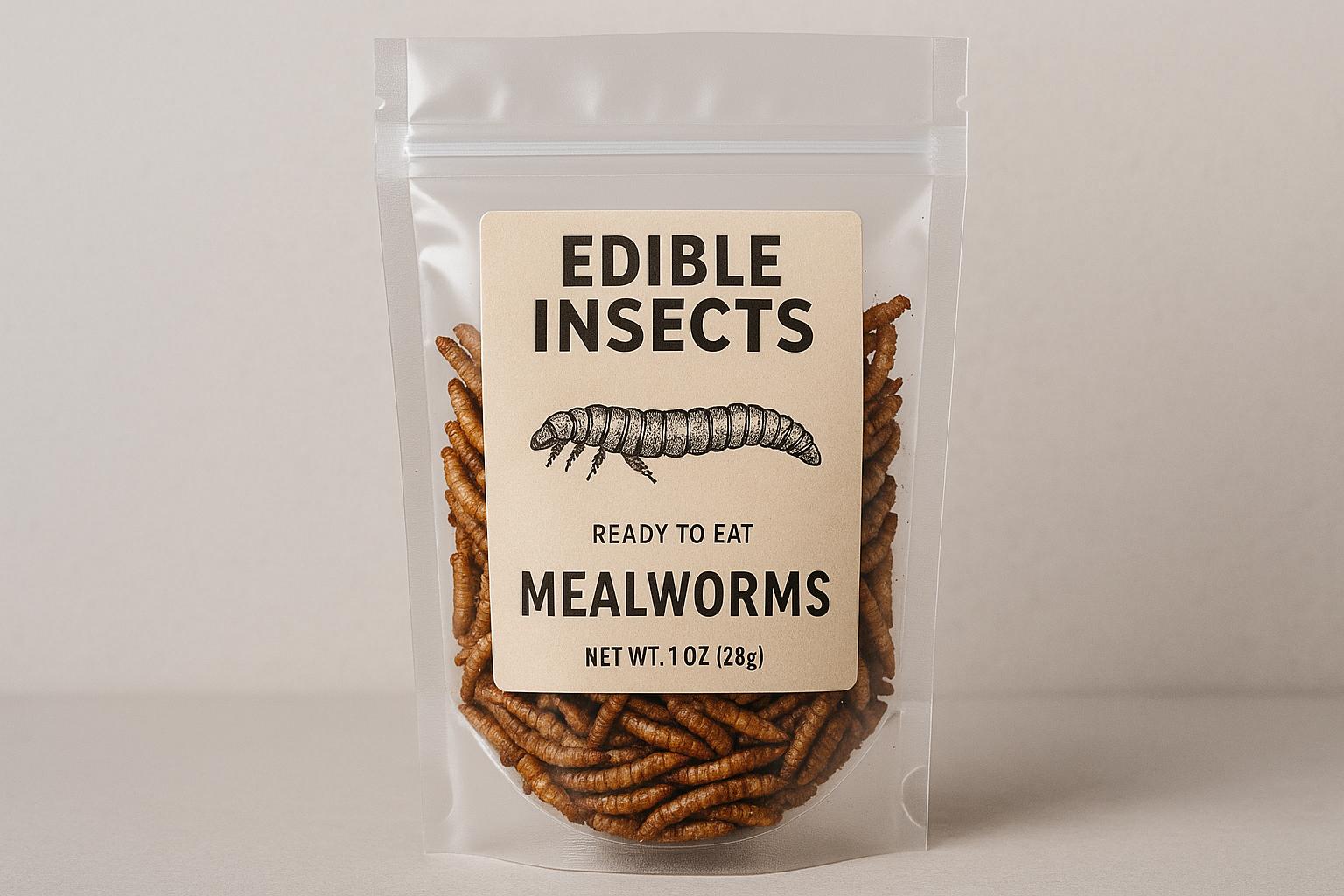
The selection of packaging materials extends beyond just practicality to also encompass consumer perception. Transparent packaging materials, for instance, can be a double-edged sword. On one hand, they showcase the product, giving consumers a clear view of what they are purchasing. On the other hand, visible insects might be off-putting to some potential buyers, particularly those unfamiliar with consuming bugs. Thus, branding and labeling become pivotal in creating a positive first impression.
Labeling and Branding
Proper labeling is crucial for consumer confidence and compliance with regulatory standards. Packaging typically includes nutritional information, allergen warnings, and sources, along with recommended storage instructions. Branding plays a significant role as well, with companies aiming for visually appealing designs to attract consumers who may be trying edible insects for the first time. Engaging and informative graphics help in demystifying the concept and promoting acceptance of this novel food source.
Effective labeling goes beyond simply listing nutritional facts; it provides an opportunity to educate the consumer. With edible insects being a relatively new concept in many parts of the world, including detailed information about the sustainability benefits and traditional uses in various cultures can enhance consumer understanding and acceptance. Storytelling through packaging—such as highlighting the journey of the insects from farm to table—can turn the purchase into a more engaging experience.
Moreover, the branding of edible insects hinges on the balance between adventure and assurance. The idea of eating insects can seem adventurous and exotic, which can be appealing to certain consumer demographics; however, this should be balanced with assurances about the product’s cleanliness, safety, and quality. Bold colors, unique designs, and engaging messages can intrigue consumers, while clear, transparent information builds trust.
Distribution Channels
Edible insects are sold through various distribution channels, each requiring suitable packaging methods. Online retailers often favor lightweight, durable packaging to reduce shipping costs and ensure safety during transit. Physical retail outlets might emphasize attractive packaging to stand out on store shelves. Additionally, specialty stores focused on health or sustainability might feature these products prominently, aligning with consumer interests in environmentally friendly options.
The choice of distribution channel affects not only the packaging design and material but also marketing strategies. Online sales require robust packaging solutions that can withstand the rigors of logistics without compromising on aesthetics. This might include tamper-proof features to ensure that the product arrives with the consumer as intended.
Conversely, in physical stores, packaging must perform the dual role of protection and advertisement. The visual appeal of the package can influence buying decisions, especially for impulse purchases. Location within the store is also crucial; placement in sections dedicated to healthy living or sustainable products can target consumers who are already inclined towards eco-friendly choices.
Conclusion
The packaging and sale of edible insects combine traditional preservation techniques with modern marketing efforts. As the industry grows, innovation in packaging solutions will be key to addressing consumers’ expectations and regulatory requirements. The future may see even more sophisticated packaging technology, incorporating smart labels that offer real-time data about the product’s freshness or integrating QR codes that lead consumers to detailed educational content about the benefits of insects as a food source.
For further reading on this topic, consider exploring resources such as Edible Insects Future and Insect Nutrition which offer insights into the expanding role of insects in our global food system. As consumers become more familiar with the idea of eating insects and as environmental concerns continue to rise, innovative packaging will play a pivotal role in mainstreaming edible insects into the global food market.