Introduction
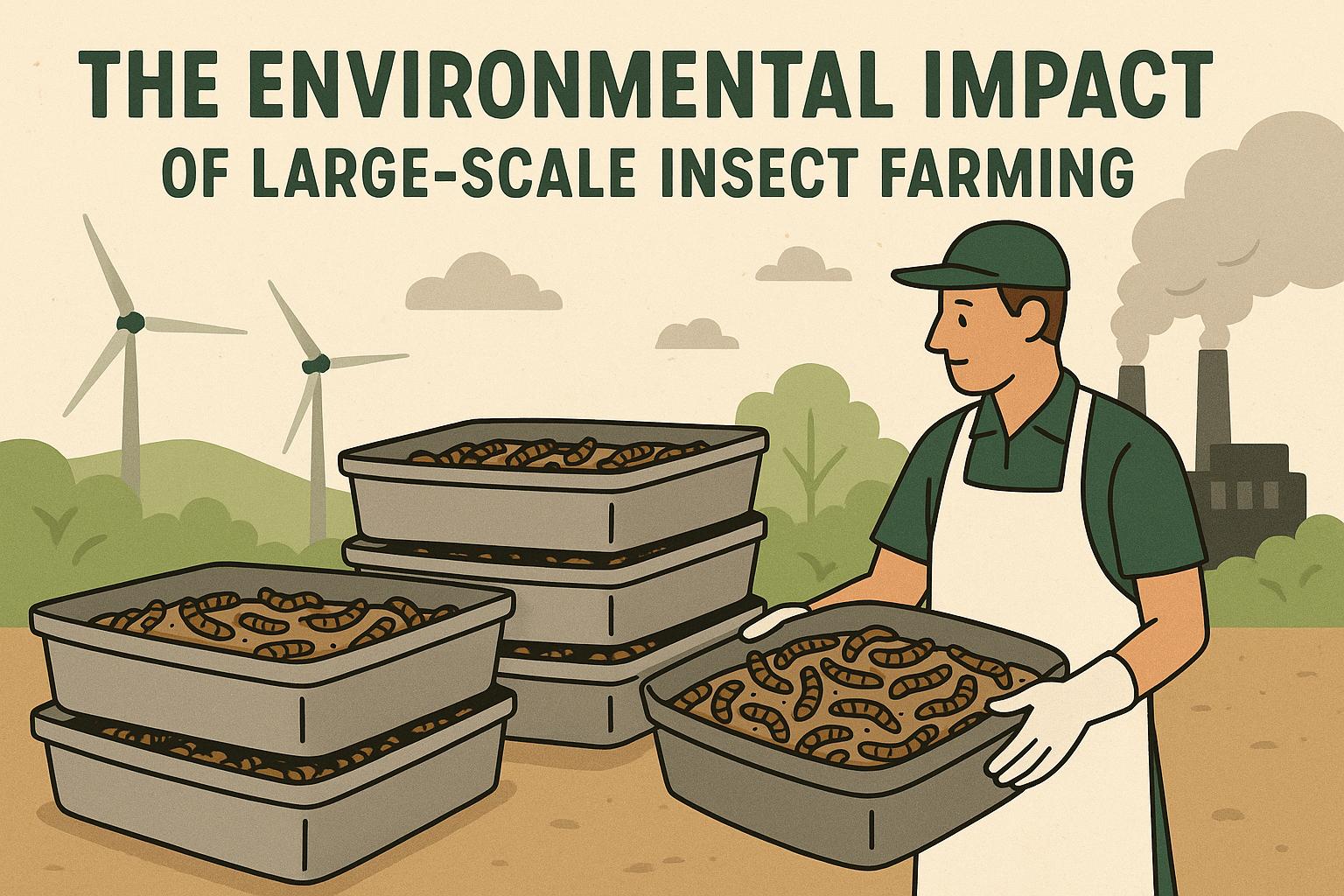
The growing global demand for sustainable and efficient protein sources has led to increased interest in insect farming. Insects are being considered as a viable alternative to traditional livestock, primarily due to their low environmental impact. However, like any agricultural practice, large-scale insect farming presents both challenges and opportunities for the environment. This article explores the environmental implications of this emerging industry.
Sustainability and Resource Efficiency
One major advantage of insect farming is its resource efficiency. Insects require significantly less feed, water, and land compared to traditional livestock. They have a high feed conversion ratio, meaning they can convert food into body mass more efficiently. This efficiency reduces the strain on agricultural resources, making insect farming a potentially sustainable option for protein production. The ability of insects to transform feed into protein with minimal input provides a forward-thinking solution to the challenge of feeding an increasing global population.
Greenhouse Gas Emissions
Traditional livestock farming is a significant contributor to greenhouse gas emissions, particularly methane and nitrous oxide. In contrast, insect farming emits far fewer greenhouse gases. This reduction can play a critical role in mitigating climate change impacts. According to a study by the Food and Agriculture Organization, insect farming could potentially lower the carbon footprint associated with meat production, thus contributing to global sustainability goals. This reduction in greenhouse gas emissions is essential for countries striving to meet international climate agreements and policies aimed at curtailing global warming.
Waste Reduction
Insect farming is also effective in managing organic waste. Many insect species can thrive on organic by-products, reducing the amount of agricultural and food waste that would otherwise contribute to landfill problems. By recycling these waste materials into valuable feed for insects, insect farming supports waste reduction and provides an additional environmental benefit. This capability positions insect farming as a part of a circular economy, emphasizing the importance of reusing and recycling resources wherever possible.
Biodiversity and Ecological Considerations
While insect farming offers several environmental benefits, there are concerns about its impact on biodiversity. Raising a limited number of insect species on a large scale may affect local ecosystems if not managed properly. It is essential to consider ecological balance and prevent unintended consequences, such as the introduction of non-native species or disease outbreaks, which could harm local biodiversity. Addressing these concerns requires robust regulatory frameworks and guidelines to ensure that large-scale insect farming is conducted responsibly and sustainably.
The Role of Research and Innovation
Continued research and development are vital components of advancing insect farming. Scientific studies and innovations can lead to more efficient farming practices, better nutritional profiling of insect-based foods, and improvement in the health and welfare of farmed insects. Stringent monitoring practices and technological advancements in farming equipment could further increase the sustainability of insect production systems. It is through research and technological adaptation that the industry can address potential challenges and refine practices to maximize environmental benefits while reducing drawbacks.
Global Acceptance and Market Development
The market acceptance of insect products in different cultural and geographical contexts remains a barrier to widespread adoption. While some cultures have a long history of consuming insects, others may require a shift in perception to view insects as a viable and desirable protein source. Market development strategies, including public education and taste acceptance campaigns, could help bridge this cultural divide, promoting insect products’ benefits as a sustainable food source.
Policy and Regulatory Frameworks
A comprehensive policy and regulatory framework is necessary to guide the growth of the insect farming industry. This framework should address environmental standards, food safety guidelines, ethical farming practices, and trade regulations. Governments and international organizations can play a pivotal role in establishing these regulations, encouraging best practices for sustainable and safe insect farming operations. Moreover, policy support in the form of subsidies, research funding, and incentives could drive industry growth.
Conclusion
In conclusion, the environmental impact of large-scale insect farming presents a more sustainable alternative to traditional livestock production. With lower resource requirements and minimal greenhouse gas emissions, insect farming can play a crucial role in addressing food security challenges while minimizing environmental degradation. However, it is vital to manage this practice responsibly to preserve ecological harmony and biodiversity. As the industry grows, continued research, development, and policy formulation will be essential to harness the full potential of insect farming as a sustainable food source.
Adopting insect farming as a mainstream practice could significantly contribute to meeting global food demands sustainably. Future efforts need a concerted approach involving research institutions, policymakers, and industry stakeholders to realize the full potential of insect farming, ensuring its environmental services are maximized while addressing and mitigating any negative impacts along the way.