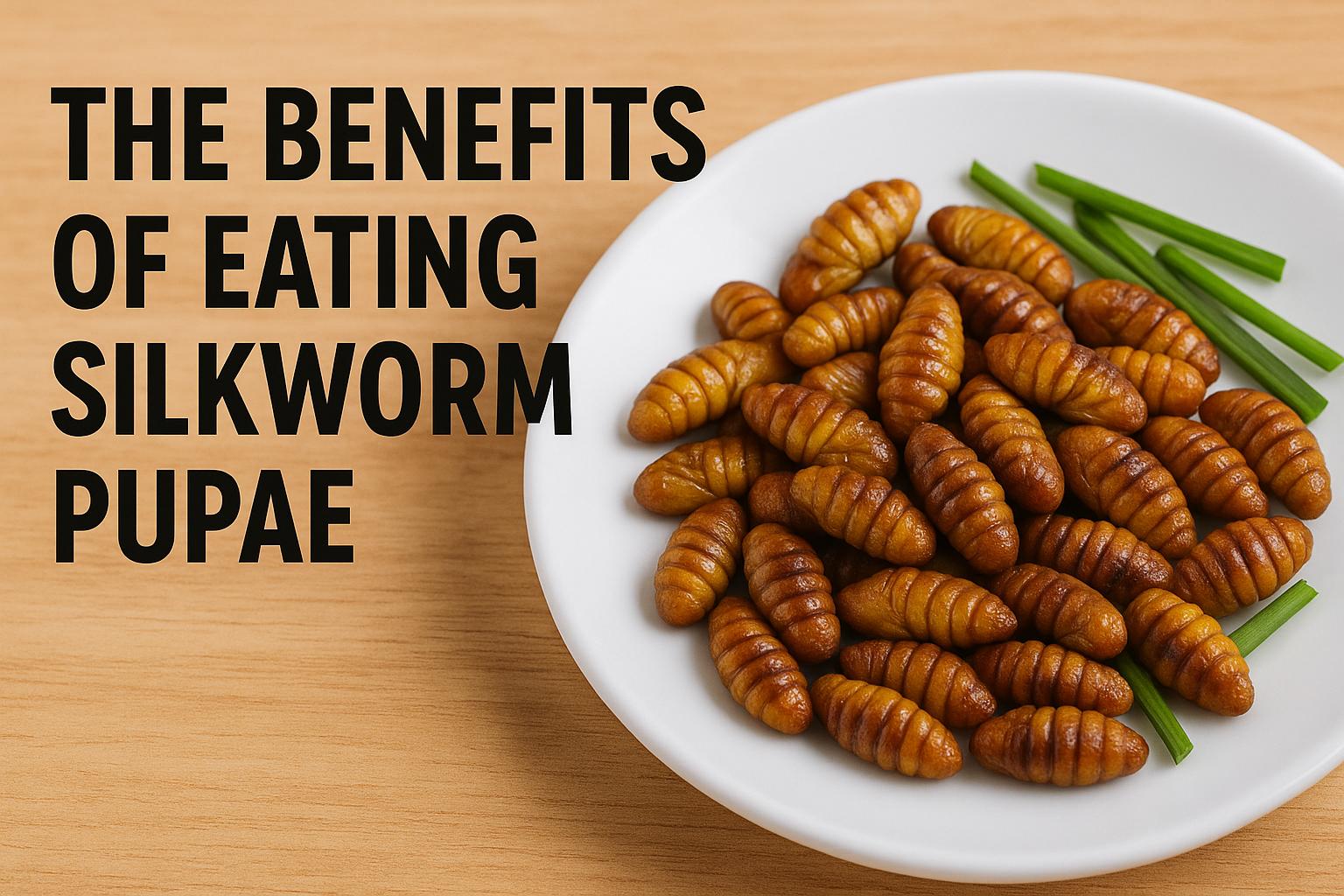
The Nutritional Value of Silkworm Pupae
Silkworm pupae have garnered significant attention in recent years, primarily because of their impressive nutritional profile. As more people search for diverse and sustainable food sources, silkworm pupae emerge as a nutrient-rich option that fits contemporary dietary needs. These pupae are known to be an excellent source of protein, which is crucial for muscle building, maintenance, and repair. Muscle protein synthesis requires amino acids, obtained through consuming protein-rich foods like silkworm pupae.
Each serving of silkworm pupae contains a wide range of amino acids, which are foundational components of proteins. Amino acids play vital roles in numerous bodily functions, including tissue repair and nutrient absorption. Beyond this, these amino acids contribute to hormone production and immune system support. By integrating silkworm pupae into your diet, you ensure your body receives these essential building blocks, promoting optimal physiological function.
In addition to their protein content, silkworm pupae are rich in essential minerals such as iron and calcium. Iron plays a crucial role in the formation of hemoglobin, a component of red blood cells that transports oxygen throughout the body. Adequate iron intake helps prevent anemia, a condition characterized by fatigue and weakness due to insufficient red blood cells. Likewise, calcium is well-known for its role in supporting bone health. It is vital for maintaining strong bones and preventing conditions like osteoporosis, which can lead to fractures and other complications in later life.
Rich in Beneficial Fatty Acids
Silkworm pupae provide notable concentrations of healthy fatty acids, particularly omega-3 and omega-6 fatty acids. These nutrients have been extensively studied for their various health benefits, especially their ability to support heart health. Omega-3 fatty acids, in particular, help reduce levels of triglycerides in the blood, thereby decreasing the risk of heart disease. They also help to regulate blood pressure and ensure normal heart rhythms. Omega-6 fatty acids, while also beneficial, are needed in a proper balance with omega-3s for optimal health benefits.
Additionally, these fatty acids are known to possess anti-inflammatory properties. Chronic inflammation has been linked to several health conditions, including heart disease, diabetes, and arthritis. By including silkworm pupae in your diet, you may effectively improve your intake of essential fats, contributing to better overall well-being.
Vitamins and Antioxidants
Silkworm pupae are a worthwhile source of several essential vitamins, notably vitamin B12 and vitamin E. Vitamin B12 is essential for the development and functioning of nerve cells. It is also critical in the production of DNA, the genetic material in all cells, and red blood cell formation. A deficiency in vitamin B12 can lead to anemia and neurological issues.
Vitamin E is a potent antioxidant that helps protect cells from oxidative stress caused by free radicals. Oxidative stress is implicated in the aging process and the development of several chronic diseases, including cancer and cardiovascular disease. The antioxidant properties of vitamin E, therefore, play a crucial role in maintaining good health by protecting cells from damage.
Culinary Versatility
Beyond their rich nutritional profile, silkworm pupae are celebrated for their culinary versatility. Their unique texture and flavor make them suitable for an array of dishes, ranging from dynamic stir-fries to hearty soups. Their ability to absorb flavors while providing a distinct yet subtle taste makes them an intriguing addition to various cuisines. Whether roasted, fried, or stewed, silkworm pupae offer creative chefs numerous opportunities to experiment with innovative dishes.
In addition to their culinary potential, silkworm pupae serve as an excellent option for those pursuing sustainable and novel protein sources. With the rising demand for edible insects, they stand out not just for their nutritional merits but also for their capacity to transform contemporary culinary practices.
Embracing Sustainable Eating Practices
As the global community becomes more acutely aware of the environmental impacts associated with traditional livestock farming, alternative protein sources like silkworm pupae represent a promising solution. Silkworm farming boasts a relatively low environmental footprint, primarily due to their efficient feed-to-protein conversion rate compared to conventional livestock. Furthermore, silkworms produce minimal greenhouse gases and require less water and land resources than traditional protein sources, making them particularly appealing for conscious consumers aiming to reduce their environmental impact.
For individuals interested in delving deeper into sustainable eating practices, there are ample resources available, such as the guidelines provided by the Eat Right organization. These resources offer valuable information on how to adapt dietary habits to align with sustainability goals, incorporating alternative proteins such as silkworm pupae.
In conclusion, silkworm pupae present multiple nutritional advantages while aligning with sustainable food practices. Their diverse vitamin and mineral content, combined with beneficial fatty acids, makes them a compelling choice for those looking to expand their dietary repertoire. Silkworm pupae provide an exciting opportunity to incorporate a protein source into your diet that not only supports health but also contributes positively to environmental conservation efforts. This positions silkworm pupae as a forward-thinking choice for individuals seeking to harmonize nutritional benefits with conscientious food consumption practices.