The Importance of Bees in Nutrition
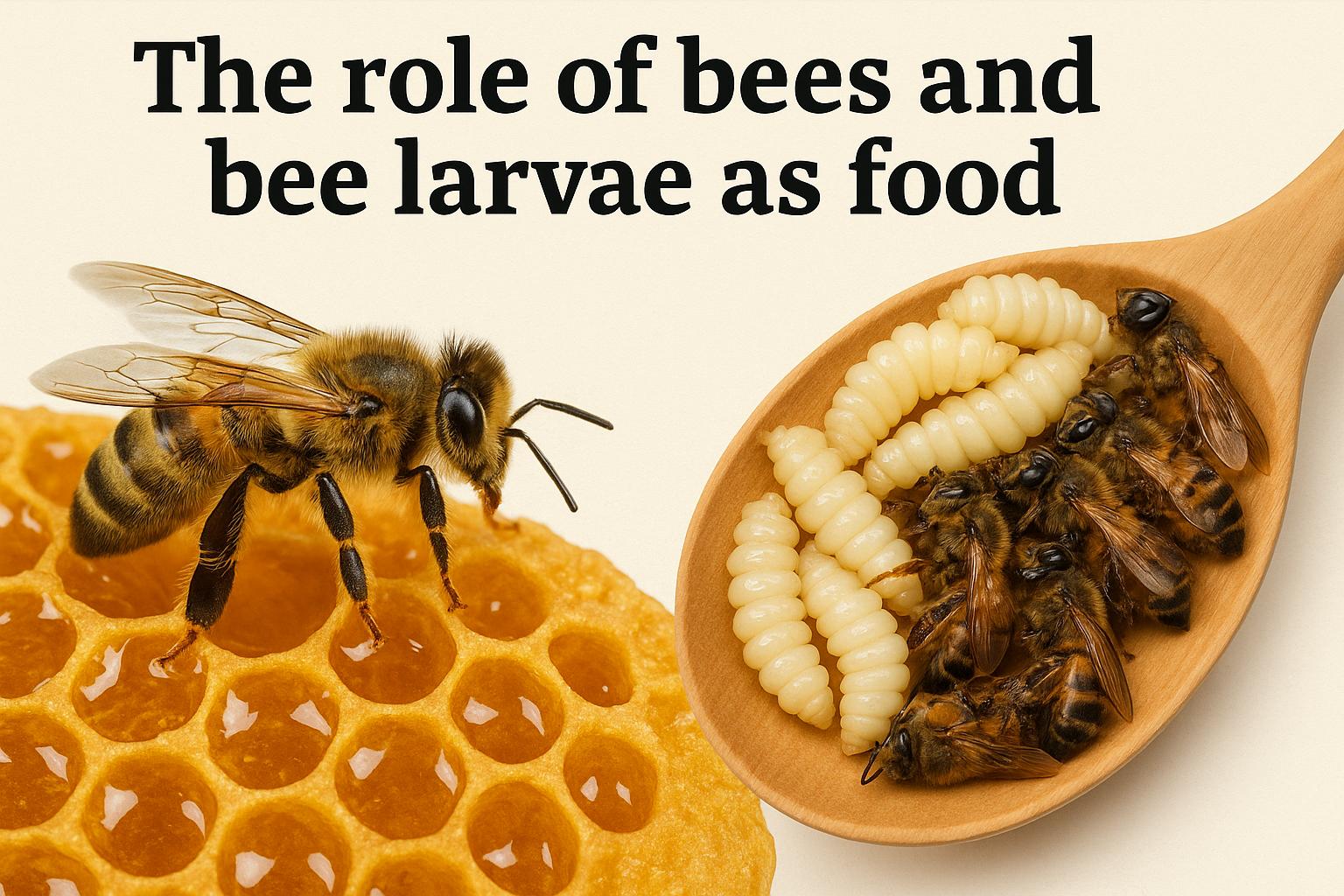
Bees have long been recognized for their crucial role in ecosystems as pollinators, playing a significant part in the reproduction of many plants. However, bees also contribute to nutrition and food systems globally. While honey is the most popularly known product derived from bees, bee larvae and sometimes adult bees themselves are consumed as nutritious food in various cultures around the world. This article delves into the nutritional benefits of consuming bees, focusing on both the larvae and adult form, and discusses how they can be sustained in cultures aiming for nutritious and environmentally friendly food sources.
Nutritional Value of Bee Larvae
Bee larvae are prized in several cultures for their nutritional richness. They are notable for their high protein content, making them comparable to traditional animal protein sources, which is essential for muscle development and overall body maintenance. Beyond protein, bee larvae are a rich source of vitamins and minerals. They contain B vitamins, which are vital for energy production and the creation of red blood cells. These larvae also provide essential fatty acids. These elements contribute significantly to their energy content and highlight the larvae’s comprehensive nutritional profile.
Cultural Context and Consumption
The consumption of bee larvae extends across many nations and cultures, particularly in Asia and Africa. In countries like China and Thailand, and parts of Africa, bee larvae are integral to traditional dishes. These larvae are typically sourced from managed hives, which play a role in both preserving bee populations and ensuring sustainability. Harvesting from managed hives allows for control over the impact on bee numbers, while also providing a steady supply of larvae for culinary use. There are varied methods for preparing bee larvae, including frying, boiling, or even consuming them raw. Those who have tasted bee larvae often describe the flavor as nutty and creamy, adding a distinct taste profile to meals and highlighting culinary diversity.
Bees as Sustainable Food Sources
The growing interest in sustainable and alternative protein sources aligns with considering bees and bee larvae as food. Unlike traditional livestock, bees require fewer resources to rear and do not contribute significantly to greenhouse gas emissions. This makes them an eco-friendly choice. With the global population increasing, the demand for sustainable food sources is intensifying, making insects like bee larvae more attractive as potential widespread dietary options. Considering these factors, bees can fit into larger narratives concerning environmental preservation and sustainable living.
Environmental Considerations
Incorporating bees and their larvae into diets not only supplies sustenance but also promotes ecological balance. As key pollinators, bees are indispensable to the growth of many crops and thus the sustainability of various ecosystems. Approaches to consuming bees must ensure the preservation of their populations, especially given global concerns about declining bee numbers due to factors like habitat loss, pesticide use, and climate change. Sustainable harvesting and proactive conservation efforts are fundamental to balance maintaining bee populations with utilizing them for human consumption. Such practices play a pivotal role in ensuring that bees continue to thrive and contribute to ecological health.
Potential Health Benefits
Bee larvae and other bee-derived products have often been the focus of studies evaluating their health benefits. These products can potentially enhance immunity and provide antioxidants, which help combat oxidative stress in the human body. Despite their benefits, these products should be consumed judiciously, considering dietary balance and the risk of allergies, which some people might have to insect proteins. For those who wish to introduce bees as a part of their diet, there are various recipes and preparation methods available that can elevate their culinary experience. These methods can help in both preserving the nutritional content of the larvae and making them more palatable.
Conclusion
In summary, bees and bee larvae hold critical positions both within ecosystems as well as in human nutritional systems. As interest grows globally in sustainable and alternative food sources, bees offer a means to diversify diets internationally. The potential of bees lies not only in their existing nutritional benefits but also in the possibility of integration into mainstream food systems. The key to responsibly incorporating these insects lies in ensuring that harvesting does not harm bee populations. Sustainability must be at the forefront of developing these food sources, making bees a prominent part of edible insect advocacy. To further understand the potential of insects as sustainable dietary components, interested parties are encouraged to explore scholarly articles and additional resources available through various online platforms.