Introduction to Black Soldier Fly Larvae
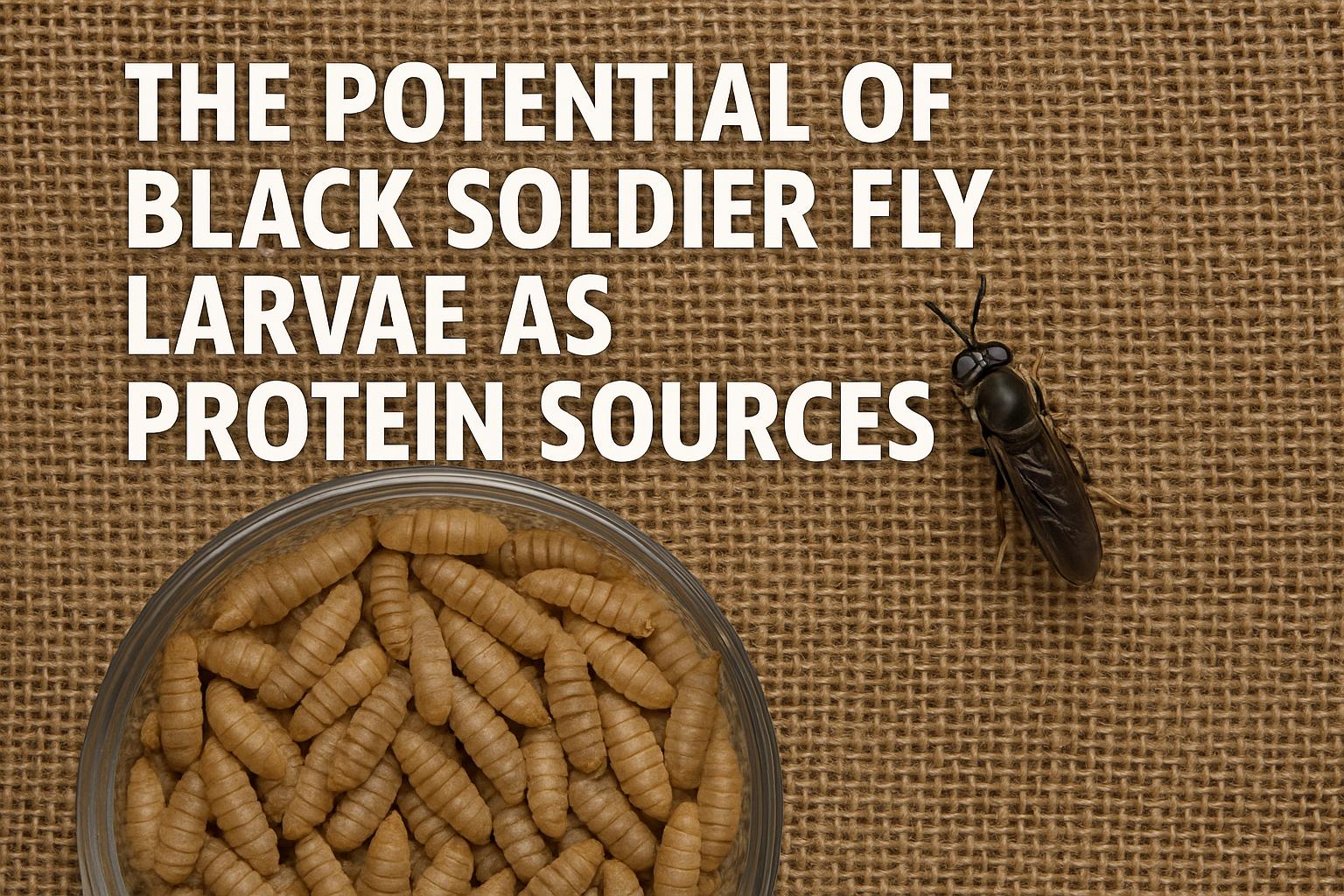
The black soldier fly (Hermetia illucens) is garnering increased attention as an innovative and sustainable protein source. Its larvae are rich in protein and essential nutrients, making them an appealing option for both animal feed and, potentially, human consumption. As the global community faces the challenge of meeting escalating protein demands with minimal environmental consequences, the black soldier fly presents a number of compelling advantages.
Nutritional Composition
Black soldier fly larvae are distinguished by their impressive protein content, ranging from 35% to 45%, contingent upon their dietary regimen. This high protein proportion, coupled with a balanced array of essential amino acids, is comparable to conventional livestock proteins. This composition is critical for meeting the nutritional requirements of both animals and humans. In addition to their protein-rich profile, the larvae also contain beneficial fats such as lauric acid, which is renowned for its antimicrobial properties. Furthermore, they are an excellent source of vital minerals like calcium and phosphorus, which enhance their allure as a supplemental feed component.
Sustainability and Environmental Impact
A noteworthy benefit of utilizing black soldier fly larvae is their minimal environmental footprint. They have the capability to thrive on organic waste, including discarded food items and agricultural by-products. This ability facilitates the reduction of waste and recycles valuable nutrients back into the ecosystem. Not only does this practice mitigate environmental impact, but it also curtails the land and water resources traditionally expended in conventional protein production. In stark contrast to livestock farming, which is a significant contributor to greenhouse gas emissions, black soldier fly farming presents a far more sustainable alternative.
Applications in Animal Feed
Black soldier fly larvae are progressively being adopted within animal feed formulations, particularly in industries such as aquaculture, poultry, and swine. Empirical studies have demonstrated that integrating larvae meal into feeds can enhance growth rates and bolster the health of animals. These positive outcomes are attributed to the high-quality protein and beneficial fats inherent in the larvae. In recognition of their safety and efficacy, governmental and regulatory bodies in various regions are beginning to approve and promote the use of insect-derived proteins within the animal feed sector.
Human Consumption and Market Potential
Despite cultural reservations some individuals may have towards consuming insects, black soldier fly larvae possess significant promise as a novel protein source for human diets. This is especially pertinent in regions grappling with protein shortages. Once processed into powder or paste, the larvae can be easily incorporated into a range of food products, from energy bars to protein supplements. The burgeoning popularity of entomophagy, or the practice of consuming insects, has opened new avenues for market expansion and driven innovation in food technology. This trend is fostering a shift towards more sustainable dietary profiles.
In summary, while hurdles remain concerning consumer acceptance and regulatory frameworks, the potential of black soldier fly larvae as a sustainable and scalable protein source is manifest. Continued exploration and innovation could further unveil their capabilities, significantly contributing to global food security and environmental stewardship. For those interested in more comprehensive insights into the various applications and advantages of black soldier fly larvae, consulting resources from esteemed research institutions and industry front-runners can be invaluable.
Overall, black soldier fly larvae present a unique opportunity to redefine protein supply chains, making them more sustainable and environmentally friendly. As more markets open to the idea of insect protein, the prospects for black soldier fly larvae look promising both in terms of economic potential and contributions to ecological balance.
The role of black soldier fly larvae in climate change mitigation could also be significant. By reducing reliance on traditional livestock farming and diverting waste streams towards beneficial uses, they offer an innovative pathway towards addressing some of the most pressing challenges of our time. Though the path forward may require careful navigation through consumer biases and regulatory landscapes, the promise this tiny organism holds is indeed substantial.
By envisioning a future where alternative proteins like black soldier fly larvae form a key pillar of the global food system, we can initiate conversations and actions that lead to more sustainable practices. Such efforts could ultimately empower communities to thrive while preserving the planet for generations to come. Thus, embracing the potential of black soldier fly larvae could be a meaningful step in the direction of sustainable innovation and ecological responsibility.