The Role of Edible Insects in Traditional Medicine
In various cultures, edible insects have been utilized not only as a source of nutrition but also for their medicinal properties. This practice, deeply embedded in traditional medicine, reflects the diverse roles these insects play in promoting health and treating ailments. In recent years, there has been increased interest in understanding how these tiny creatures can be impactful beyond conventional dietary sources, potentially offering solutions to some of today’s health concerns.
Historical Context
Insects have been a part of traditional medicine systems across the globe for centuries. For instance, in Traditional Chinese Medicine (TCM), certain insects are incorporated into remedies crafted to balance the body’s energy and treat specific health conditions. These creatures are not simply seen as ingredients, but as elements that interact with human energies within the framework of TCM, which emphasizes harmony and balance. Similarly, in African and Latin American regions, insects are used as therapeutic agents to treat a range of ailments. Across different geographies, the use of insects in medicine shows variations reflective of local biodiversity, cultural beliefs, and traditional medical knowledge, highlighting a rich tapestry of entomological pharmacy.
Nutritional and Medicinal Components
Edible insects are rich in essential nutrients such as proteins, vitamins, and minerals. These nutrients contribute not only to basic nutrition but also possess therapeutic properties. For example, the high protein content in insects can aid in muscle repair and growth, while the micronutrients can play a role in boosting immunity and overall health. The presence of certain anti-inflammatory compounds within insects is of particular interest. For instance, certain species contain precursors to omega fatty acids, which are crucial for maintaining cardiovascular health and mitigating inflammation-related issues. Additionally, the biodiversity represented by edible insects means a vast array of compounds yet to be fully explored for their medicinal potential.
Commonly Used Insects
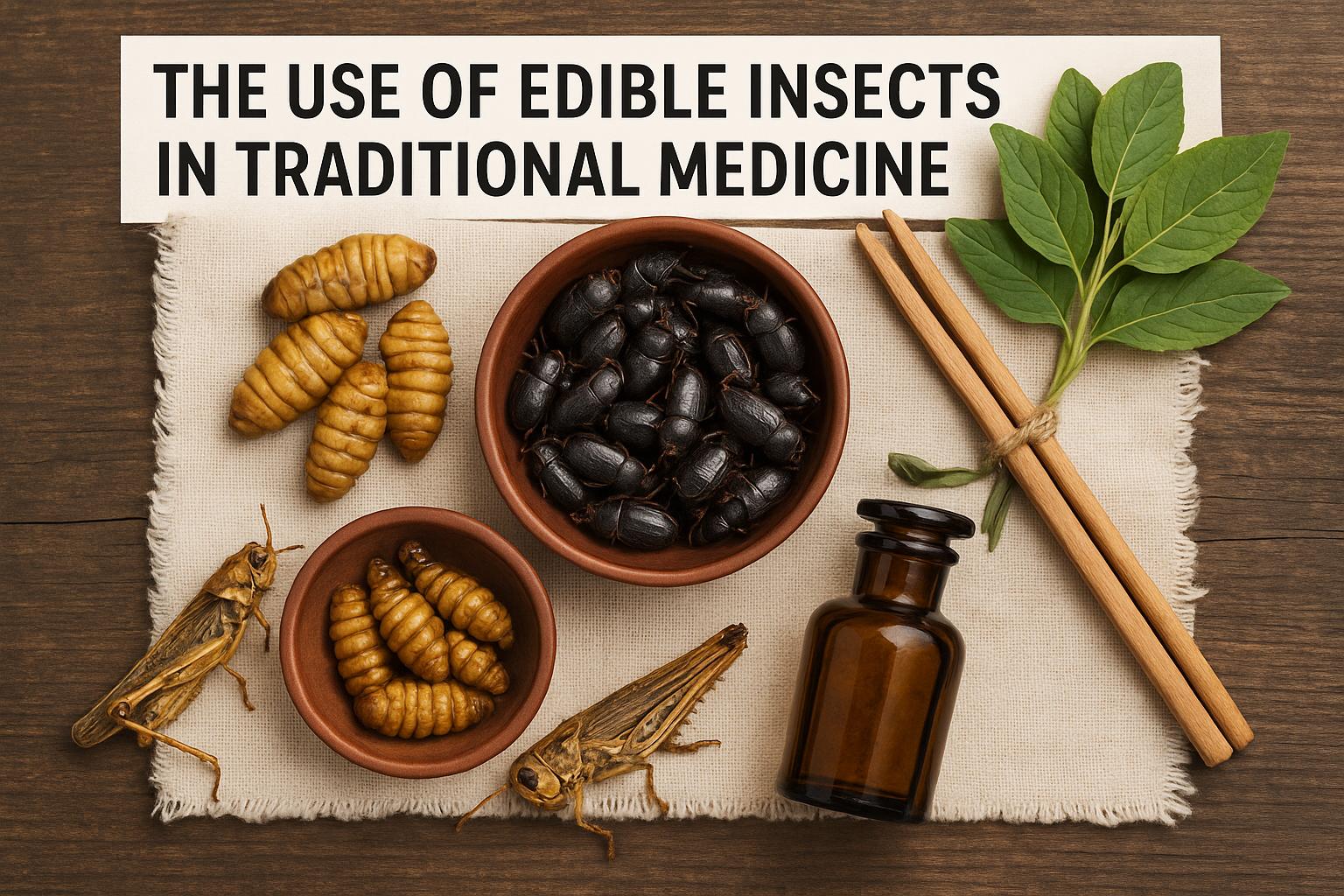
Several insects are recognized for their medicinal value. Bees, particularly their venom and pollen, are used in alternative therapies for their anti-inflammatory and immune-boosting properties. The multifaceted roles of bees in medicine, from pollen as a natural supplement rich in vitamins and minerals to venom utilized in apitherapy for conditions like arthritis, underscores their unique position within traditional and alternative medicines. Meanwhile, silkworms have been utilized in TCM to treat conditions such as headaches and itchy skin due to their anti-inflammatory properties. These insects, among others, provide traditional medicine with a toolkit of natural options to address various health conditions, merging historical use with emerging modern applications.
Modern Research and Applications
Recent scientific studies are exploring the potential of insects in modern medicine, analyzing their biochemical components to identify beneficial compounds. This research aims to validate traditional practices and expand the use of insect-derived substances in therapeutic applications. For instance, antimicrobial peptides found in some insects are being studied for their capacity to combat antibiotic-resistant bacteria, a growing concern in medical science. Additionally, the enzymatic components within certain insect species are being investigated for their potential roles in novel drug development, particularly in areas like oncology and chronic disease management.
The integration of edible insects into traditional medicine illustrates a remarkable intersection of nutrition and health. As research continues to unveil the benefits inherent in these species, the prospects for their medicinal application continue to grow. Current efforts in biotechnology seek to synthesize active insect compounds for greater scalability and wider clinical adoption. While deeply rooted in tradition, the use of edible insects is increasingly viewed through the lens of science and innovation. Moving forward, it is anticipated that cross-disciplinary collaborations will further deepen our understanding of insects’ roles in health, paving the way for sustainable and innovative practices in both nutrition and medicine.
Challenges and Opportunities
Despite the potential advantages, integrating insects more broadly into mainstream medicine poses challenges. Cultural perceptions and the “yuck” factor can inhibit acceptance, particularly in societies where entomophagy—the practice of eating insects—is not common. However, overcoming these social barriers is not insurmountable. Educational campaigns emphasizing the nutritional and environmental benefits of insects, alongside testimonials of their medicinal efficacy, can lead to increased acceptance. Regulatory frameworks in different countries may also affect the pace and scope of adoption, with each market having unique requirements for safety assessments and approvals.
On the opportunity side, incorporating insects into medicine is seen as an innovative response to some of today’s pressing issues, such as food insecurity and the sustainable production of pharmaceuticals. For regions with abundant insect populations, this approach offers a way to maximize local resources, supporting economic development and self-sustained health practices.
The Future of Edible Insects in Medicine
The trajectory towards the increased use of edible insects in medicine is likely to be influenced by multiple factors, including advances in scientific research, the need for novel therapies, and shifts in global sustainability practices. As the world grapples with challenges like climate change and a growing population, sustainable solutions are becoming paramount. Insects, which are resource-efficient to cultivate relative to traditional livestock, offer one potential avenue for making food and medicinal supplies more sustainable.
Interdisciplinary research is crucial for realizing these benefits. Collaboration between entomologists, biochemists, nutritionists, and healthcare professionals will facilitate a holistic understanding of how best to utilize insect-derived compounds. Educational programs can also play a role by incorporating entomophagy into curricula at various education levels, gradually shifting perceptions and encouraging a new generation of scientists, health professionals, and consumers to explore the possibilities of insect-based medicine.
In conclusion, while the path from traditional practice to broader modern acceptance is complex, the multifaceted benefits of edible insects present compelling reasons for ongoing exploration and investment. The bridges between ancient wisdom and contemporary science hold promise not only for innovative health solutions but also for fostering sustainable practices that respect ecological balance.