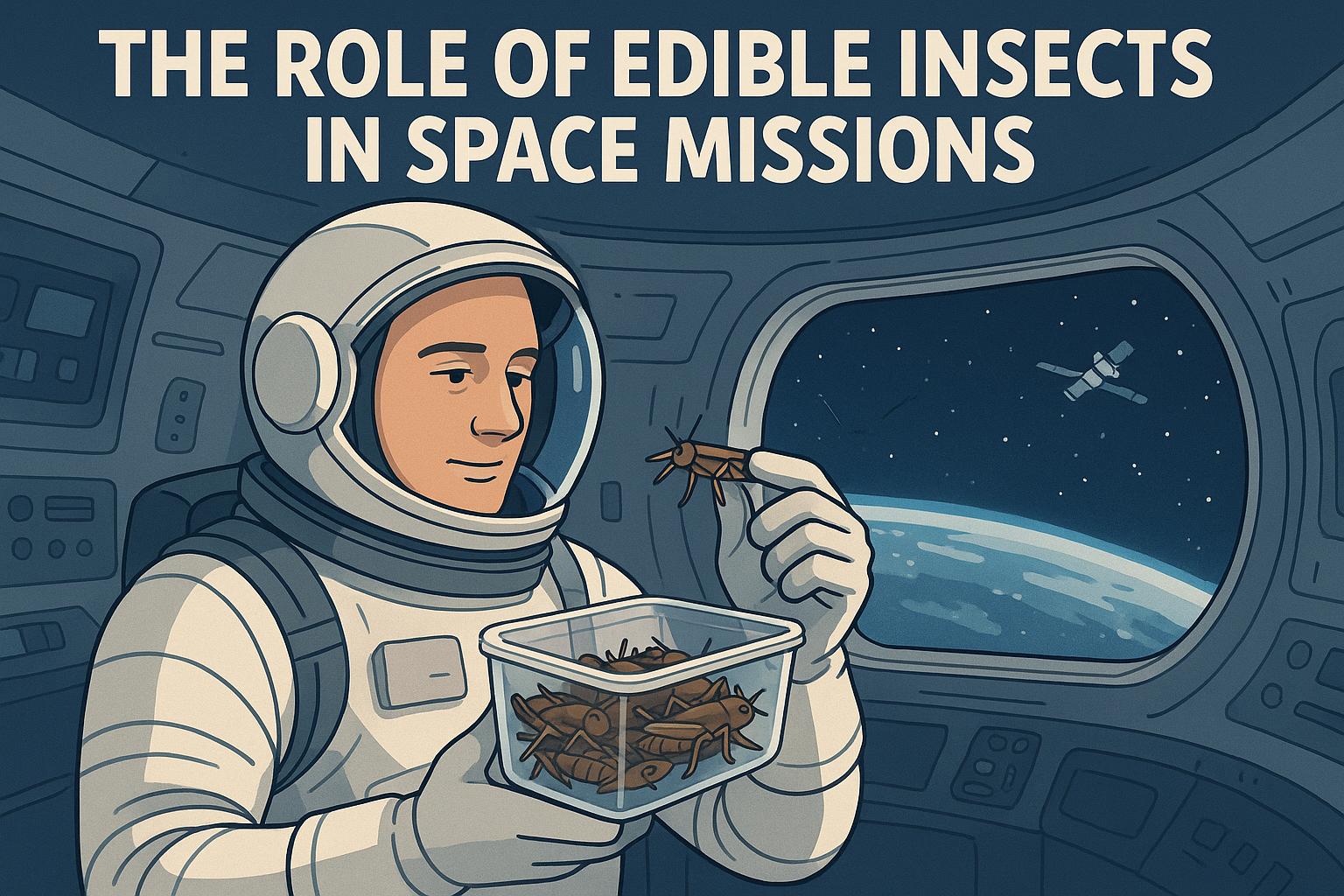
The challenges of sustaining human life beyond Earth are complex and multifaceted, particularly when it comes to nutrition. Human missions to space often have strict constraints regarding weight, space, and the longevity of supplies. Traditional food supplies, which require significant storage space and are subject to spoilage, are not optimal for long-duration space missions. As such, there is increasing interest in innovative food sources, including the use of edible insects, as they offer a sustainable and efficient solution. This exploration of sustainability in space nutrition is a critical aspect of planning for humanity’s future ventures beyond our planet.
Nutritional Value of Edible Insects
Edible insects are highly nutritious and consumed in many cultures across the globe. They are rich in protein, contain essential amino acids, and provide important vitamins and minerals such as iron and zinc. In some cases, insects can offer as much protein per weight as traditional meat sources while being lower in fat. This makes them an excellent dietary supplement for astronauts, who require nutrient-dense foods to maintain physical health and cognitive function in space. The protein content in insects like crickets and mealworms can rival that of beef or chicken, presenting a more resource-efficient means of achieving dietary needs.
Furthermore, insects are a rich source of essential fatty acids and micronutrients that are crucial to an astronaut’s diet. These nutrients help in energy production, maintaining bone health, and supporting immune function. The diverse nutrient profile of insects can thus help ensure that the dietary needs of astronauts are met without the bulk and weight of traditional food supplies.
Benefits for Space Missions
Including edible insects in space mission diets could offer numerous benefits. Firstly, insects such as crickets and mealworms are efficient to grow and require minimal resources compared to livestock. They convert feed into protein far more effectively and require less water, making them suitable for environments where resources are limited. This efficiency is particularly important in space, where every resource must be carefully calculated and conserved.
Furthermore, insects can contribute to a closed-loop ecosystem within a spacecraft. They could be integrated into waste recycling systems, consuming organic waste and transforming it into a viable food source, thus minimizing the necessity for frequent resupply missions from Earth. For instance, the organic waste generated by the crew could serve as feed for these insects, creating a sustainable cycle of nutrient conversion. For more information on the potential of edible insects, a comprehensive study can be found here.
The application of insect-based nutrition must be seen as part of a broader strategy for ensuring sustainable life in space, perhaps in combination with other innovative technologies like hydroponic and aeroponic plant cultivation systems. Together, these techniques provide a diversified approach to achieving a balanced diet, even in the confined and resource-scarce environments of space travel.
Challenges and Considerations
Despite the promising potential of insects in space missions, several challenges must be addressed. The psychological barrier related to the consumption of insects is notable, especially for those cultures unaccustomed to entomophagy. NASA and space agencies would need to conduct extensive studies and educational campaigns to promote acceptance among astronauts. Acceptance is critical for ensuring that edible insects are incorporated into the dietary regimen of space missions in a seamless manner.
Moreover, the technical aspects of growing and harvesting insects in a microgravity environment pose unique challenges. The absence of gravity affects fluid dynamics and biological processes, potentially impacting the growth rate and behavior of insects. Research into developing effective farming techniques for insects in space is ongoing, and it is critical to develop methods that ensure the health and safety of both the insects and the crew.
Moreover, aspects such as space available for insect cultivation and managing the growth environment to prevent any negative impacts on the spacecraft’s atmosphere are areas that require further exploration. These challenges necessitate continued research and development to integrate insect farming into spacecraft systems efficiently.
Conclusion
As humanity progresses towards long-term space missions and endeavors such as Mars colonization, sustainable food sources like edible insects will likely play an integral role. The efficiency, nutritional value, and potential for integration into closed ecosystems position them as a compelling solution for the future of space nutrition. Emerging research and technology will continue to shape how these resources are utilized in the context of space exploration.
In conclusion, the quest for sustainable nutrition solutions in space exploration will not only aid in the preservation and optimal use of resources in space but also set precedents for sustainable living practices on Earth. As researchers continue to explore the multifaceted challenges and opportunities associated with edible insects, their role in the future of space travel remains a compelling area of study with significant potential. Conclusively, as humans venture further into space, it is innovations like these that will likely ensure the success and sustainability of these missions.