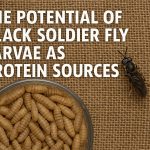
Introduction to Insect-Based Smoothies
Insect-based smoothies are becoming a popular trend due to their distinct nutritional benefits and sustainability. These unique beverages are packed with protein, vitamins, and minerals, offering an appealing alternative to traditional protein sources. This comprehensive guide will delve into the intricacies of preparing insect-based smoothies, providing practical insights suitable for even those without culinary expertise.
Understanding the Ingredients
The foundation of insect-based smoothies is primarily the insect powder, commonly derived from insects such as crickets or mealworms. These insects are processed into a finely ground powder that is not only easy to incorporate into various recipes but also contributes a mild, nutty flavor profile. Alongside the insect powder, you will need fresh fruits or vegetables as a natural source of flavor and nutrients, a liquid base like water or milk to ensure the smoothie has the desired consistency, and optional sweeteners or spices for enhanced flavor.
Why Choose Insect Powder?
Choosing insect powder as an ingredient is rooted in its nutritional richness. Insect powders are a remarkable source of complete protein, providing a full range of essential amino acids necessary for various bodily functions. Additionally, they are rich in micronutrients such as iron, calcium, and vitamin B12. From an environmental perspective, insect farming requires significantly fewer resources, such as water, feed, and land, compared to conventional livestock farming. This makes insect-based foods a sustainable dietary choice, particularly in the face of growing global environmental challenges. For those interested in learning more about the nutritional profile of insects, resources from edible insects organizations can offer valuable insights.
Preparing Your Smoothie
Step 1: Gather Your Ingredients
Start by assembling the necessary components for your smoothie. You will need 1-2 tablespoons of insect powder, which will serve as the primary protein source in your beverage. Next, select 1 cup of your preferred fresh fruits or vegetables; commonly chosen options include bananas, which add natural sweetness and creaminess, berries, known for their antioxidants, or spinach for a mild taste and additional nutrients. Choose a liquid base amounting to 1 cup; options include water for a no-calorie choice, almond milk for creaminess, or coconut water for a hint of sweetness and added electrolytes. Additionally, consider optional add-ons such as honey or agave syrup for sweetness, cinnamon for a touch of warmth and depth, or flaxseed for extra fiber and omega-3 fatty acids.
Step 2: Blend the Ingredients
Once your ingredients are ready, it is time to blend them. Begin by pouring your chosen liquid base into the blender to facilitate the blending process. Gradually add the insect powder, ensuring it dissolves evenly within the liquid. Follow with the fruits or vegetables and any optional add-ons. Blend the mixture until it achieves a creamy and smooth consistency. This process typically takes around 1-2 minutes, depending on the strength of your blender and the specific ingredients used.
Step 3: Taste and Adjust
After blending, take the time to sample your smoothie to ensure it meets your taste preferences. If it is too thick and difficult to drink, simply add a small amount of liquid and blend again until the desired consistency is reached. For those who prefer a sweeter taste, integrate natural sweeteners such as honey or agave syrup incrementally, blending between additions to control the sweetness level.
Safety Considerations
When incorporating insect powders into your diet, it is crucial to purchase your products from reputable suppliers who strictly adhere to established food safety standards. Doing so minimizes the risk of encountering allergens or contaminants that could compromise your health. For those who are new to insect consumption, it is recommended to start with a small quantity to gauge your body’s reaction before increasing your intake.
Addressing Allergies
A notable consideration when consuming insect-based products is the potential for allergic reactions, particularly for individuals with existing shellfish allergies. This is due to the similarity in protein structures between shellfish and certain insects. As a precaution, individuals with known allergies should consult with a healthcare provider or allergist to determine the safety of introducing insect products into their diets.
Conclusion
In summary, insect-based smoothies present a nutritious and eco-friendly alternative for those seeking to diversify their diet with sustainable choices. With the right preparation techniques and considerations, these smoothies can become a delicious and beneficial addition to your nutritional routine. They support not only individual health but also contribute to a more sustainable food future, addressing the growing demand for environmentally conscious dietary options. Ultimately, insect-based smoothies provide a practical example of how innovative food solutions can support both personal well-being and planetary health.