The Nutritional Value of Insects in Survivalist Diets
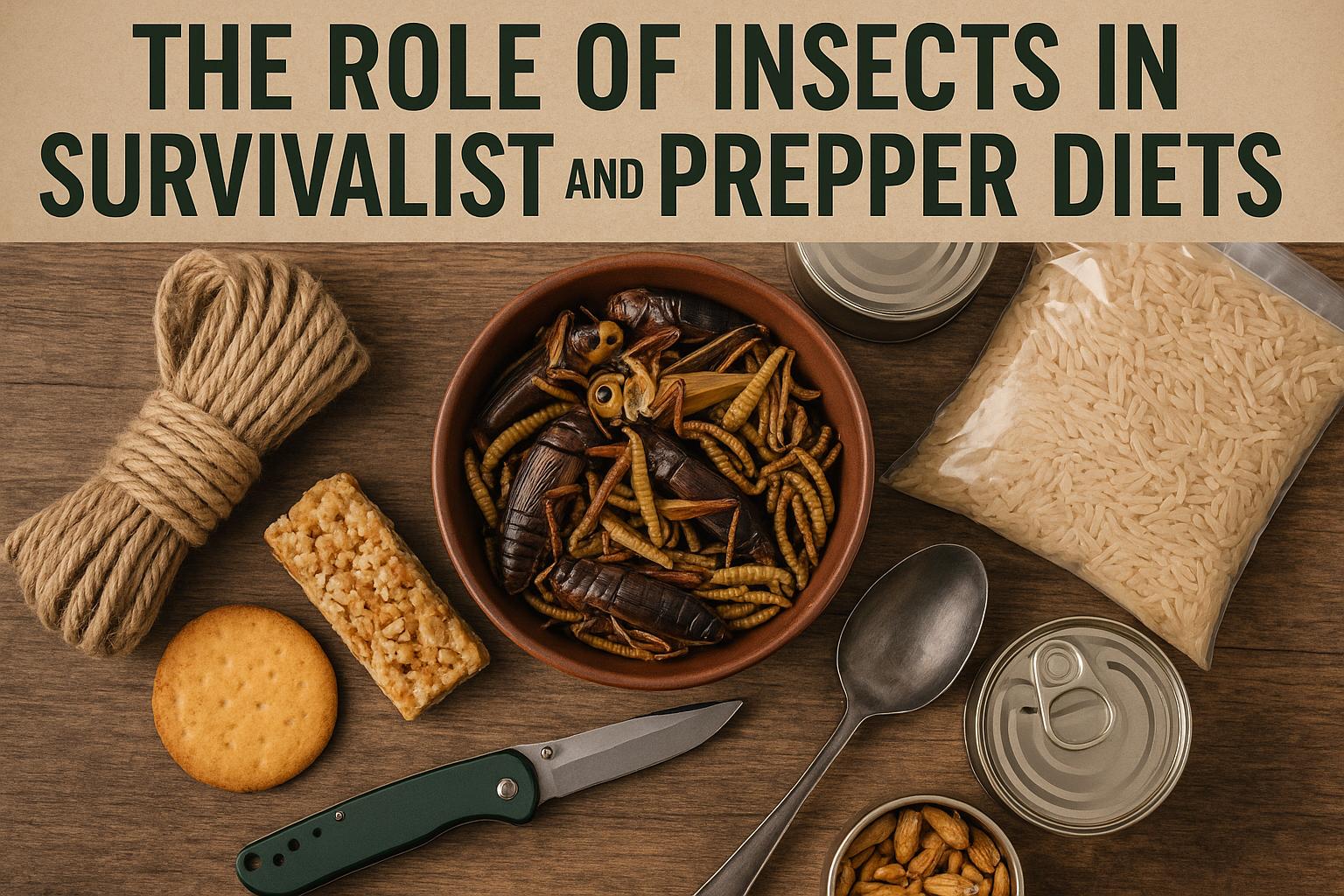
In the context of survivalist and prepper communities, utilizing alternative food sources that are both sustainable and nutritious is a key priority. In this regard, insects have garnered significant attention. Often overlooked in conventional diets, insects offer high nutritional value and can be found in abundance across various environments. Their compact nutritional profile combined with ease of availability makes them an attractive alternative protein source, especially in situations that challenge food security.
Recent research highlights the significant benefits of incorporating insects into diets, particularly in scenarios where access to traditional food sources is limited or unreliable. Commonly consumed insects like crickets, mealworms, and locusts provide substantial protein levels that are comparable to, and in some cases even surpass, those found in traditional meats such as beef, chicken, and fish.
Protein and Amino Acids
The primary nutritional benefit of insects lies in their dense protein content. Protein is essential for various bodily functions, including the maintenance of muscle mass, repair of tissues, and production of enzymes and hormones. What makes insect protein particularly valuable is its completeness. Insects provide complete proteins which include all nine essential amino acids that the human body cannot produce alone. This makes them a comprehensive dietary option for maintaining health, especially in resource-limited scenarios. For instance, crickets have been found to deliver about 20 grams of protein in a 100-gram serving, a figure that rivals many conventional protein sources.
Vitamins and Minerals
In addition to being protein-rich, insects are a treasure trove of essential vitamins and minerals. Nutrients such as iron, magnesium, zinc, and calcium are pivotal for numerous bodily functions, including maintaining bone health, enhancing immune system function, and supporting overall physiological well-being. Furthermore, insects are sources of vital vitamins such as B12—a nutrient commonly deficient in plant-based diets—riboflavin, and vitamin A. These vitamins are crucial for maintaining energy levels, supporting metabolic processes, and ensuring proper vision and neurological function. Thus, insects serve as not just a protein substitute, but also as a compensatory nutrient provider in challenging circumstances.
Environmental Considerations
From an environmental standpoint, insects offer substantial advantages over traditional livestock farming. Their cultivation demands significantly fewer resources, including land, water, and feed, which positions them as a more sustainable food production option. This reduced ecological footprint can play a critical role in regions facing environmental degradation and resource scarcity. Insects are also remarkably resilient, capable of thriving in diverse climates and conditions, further underscoring their suitability as an emergency food source. By incorporating insects into survivalists’ diets, there is potential to significantly reduce the carbon footprint associated with food production and consumption, aligning with broader goals of environmental sustainability.
Potential Challenges
While the benefits of including insects in diets are evident, there are inherent challenges associated with this practice. Cultural perceptions and culinary norms play substantial roles in the acceptance of insects as food. In many cultures, the idea of consuming insects is met with skepticism or even disdain due to preconceived notions and lack of familiarity. Overcoming these cultural barriers requires education and exposure to the nutritional advantages that insects offer.
Moreover, ensuring food safety is critical when harvesting, processing, and preparing insects for consumption. Proper methods must be employed to avert potential health risks associated with parasites or pathogens. Strategies such as proper cooking and sustainable harvest practices are necessary to ensure that insects can be safely consumed as part of a balanced diet.
To facilitate the integration of insects into modern and survivalist diets, comprehensive resources and educational materials are available. Organizations dedicated to sustainable food systems provide guides and best practices for safely harnessing the nutritional benefits of insects. Educational platforms and experienced survivalists serve as valuable resources for those keen on exploring this alternative food avenue.
Incorporating insects into one’s diet not only enhances personal preparedness in the face of unforeseen events but also contributes to the advancement of a sustainable and resilient global food system. As the world continues to grapple with escalating food security challenges, turning to insects as a viable dietary component presents both an opportunity and a responsibility for those committed to survivalism and sustainability.