The Prevalence of Insect Consumption
Eating insects, known as entomophagy, is gaining attention worldwide as an alternative and sustainable source of nutrition. This practice includes the consumption of various types of insects by humans as part of their regular diet. Presently, entomophagy is already a common dietary element in many regions around the globe. According to the Food and Agriculture Organization (FAO), more than 2 billion people across the world integrate insects into their diets. Diverse species of insects are consumed traditionally, particularly in regions such as Africa, Asia, and Latin America. These insects are esteemed as a critical source of protein and essential nutrients that are vital for maintaining a balanced diet.
Cultural Perceptions of Insects
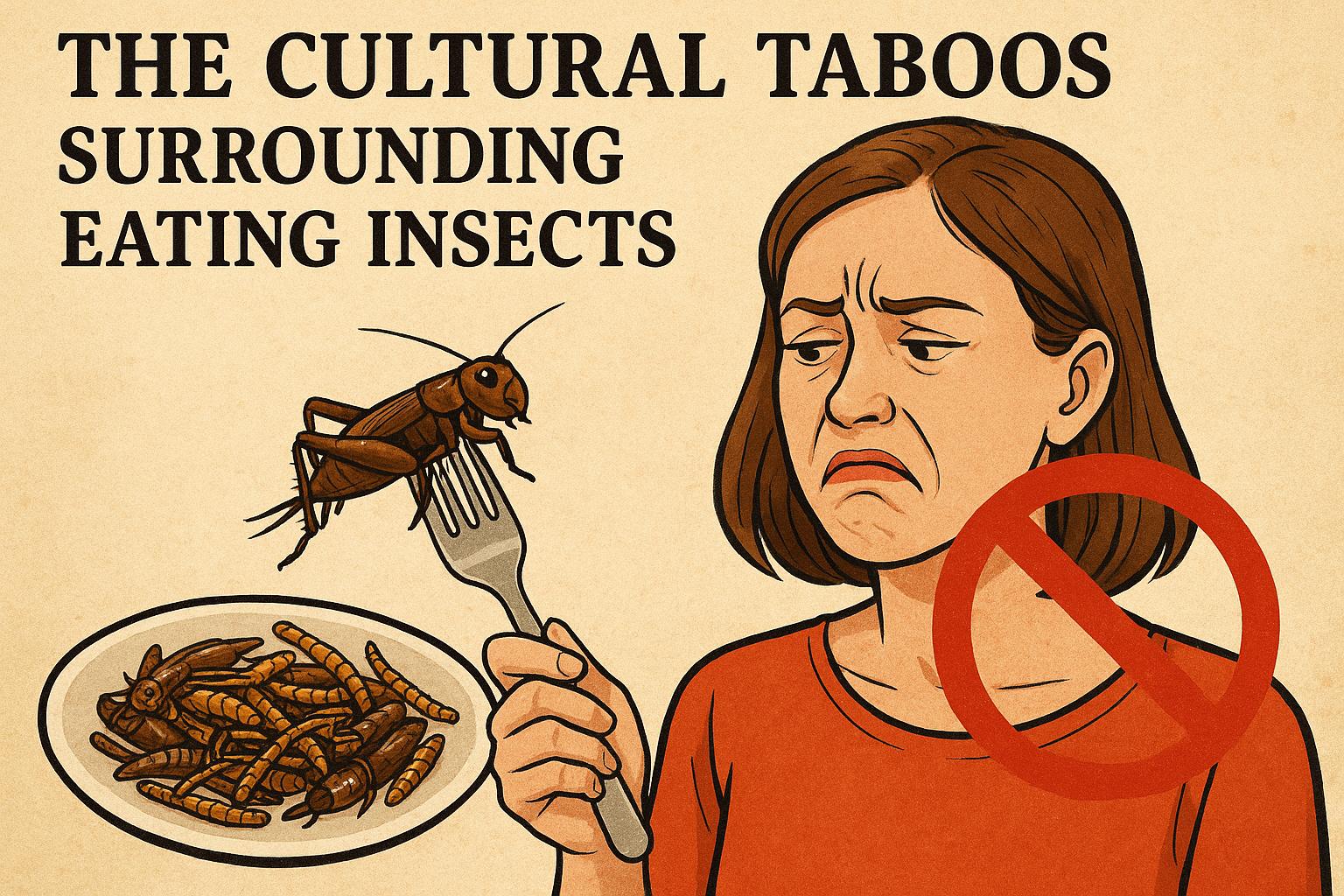
Cultural perceptions of consuming insects differ broadly across various societies. In numerous Western cultures, the thought of eating insects often triggers a sense of unease or rejection. This reaction is primarily influenced by a blend of historical, psychological, and social determinants rather than any concrete issues associated with consuming insects themselves. In Western societies, insects are frequently labeled as pests, which reinforces the reluctance to regard them as food items.
Psychological Factors
The aversion to eating insects in Western cultures can be attributed to several psychological factors, with the *disgust factor* being exceedingly prominent. The idea of incorporating insects into one’s diet is commonly linked with sentiments of revulsion and notions of uncleanliness. These psychological reactions are ingrained within societal norms which define insects as undeserving of culinary consideration. The sources of these feelings are varied and are rooted in how certain cultures view food, which is significantly influenced by historical development, exposure, and educational systems.
Historical Context
Historically, in Europe, the evolution of agriculture and the livestock rearing industries provided access to larger animals as reliable protein sources. As these practices advanced, the reliance on insects as a protein source diminished, leading them to be perceived as a lower-tier food choice. Over the centuries, this evolutionary development contributed to the diminished stature of insects within the culinary ranking of many Western cultures. In contrast, many societies in Africa, Asia, and Latin America, maintained their reliance on insects as a staple source of nutrition due to various socio-economic factors.
Environmental and Nutritional Benefits
Despite the existing cultural reluctance, entomophagy offers numerous environmental and nutritional advantages that should not be overlooked. Insects are among the most efficient converters of feed to protein. Compared to traditional livestock, they demand considerably less land, water, and emit reduced amounts of greenhouse gases. This makes them an environmentally sustainable choice in the face of challenges such as climate change and shrinking environmental resources. Nutritionally, insects are rich in protein, vitamins, and minerals, providing an appealing alternative to conventional animal protein, especially for those focusing on sustainable living.
The environmental benefits of consuming insects extend beyond feed conversion; the insect farming process typically involves minimal energy expenditure and results in lower levels of waste products compared to traditional meat farming. Up to 80% of an insect’s body can be consumed, whereas only about 40% of a cow is edible. This efficiency could contribute profoundly to reducing the global carbon footprint, making it an attractive option in addressing food security issues posed by a growing global population.
Potential for Changing Cultural Perceptions
The gradual introduction of insect-based products into Western marketplaces indicates a budding shift in cultural viewpoints regarding entomophagy. As the world population continues to burgeon, with an accompanying escalation in the demand for sustainable food sources, it is plausible that dietary inclusivity of insects will become more prevalent. This progression is bolstered by rising consumer interest in eco-friendly and health-conscious food choices. The primary challenge in this cultural evolution lies in dispelling longstanding taboos and educational outreach efforts to communicate the multifaceted benefits of consuming insects as a feasible nutritional option.
Educating consumers about the benefits associated with entomophagy is critical. Approaches to reduce psychological barriers could include framing insects as a gourmet delicacy, akin to how sushi transitioned into mainstream Western diets. This could involve marketing campaigns, celebrity endorsements, and culinary festivals that highlight insects as an innovative and responsible food choice. Furthermore, initiatives to incorporate entomophagy in culinary school curriculums and nutritional education programs can also be pursued, enabling future chefs and nutritionists to become proponents of this sustainable practice.
Conclusion
In recent years, there is an observable upward trajectory in interest towards incorporating insects into mainstream diets. Innovations in food processing and presentation are allowing insects to be seamlessly introduced into products such as protein bars, pastas, and snack foods, making them more palatable to consumers unfamiliar with entomophagy. This trend aligns with the increasing demand for food sources that are both environmentally sustainable and nutritionally beneficial.
Ultimately, global shifts in dietary practices depend significantly on the collective societal willingness to embrace alternative food sources. While cultural taboos present substantial challenges, ongoing dialogue, education, and exposure can help in transforming perceptions, making the consumption of insects a viable and accepted form of nutrition in the future. In navigating these changes, the role of scientists, educators, culinary professionals, and policymakers will be crucial in fostering an environment where insect consumption can become a normalized practice worldwide. Through these collaborative efforts, entomophagy could indeed play a significant part in addressing future global food security challenges.