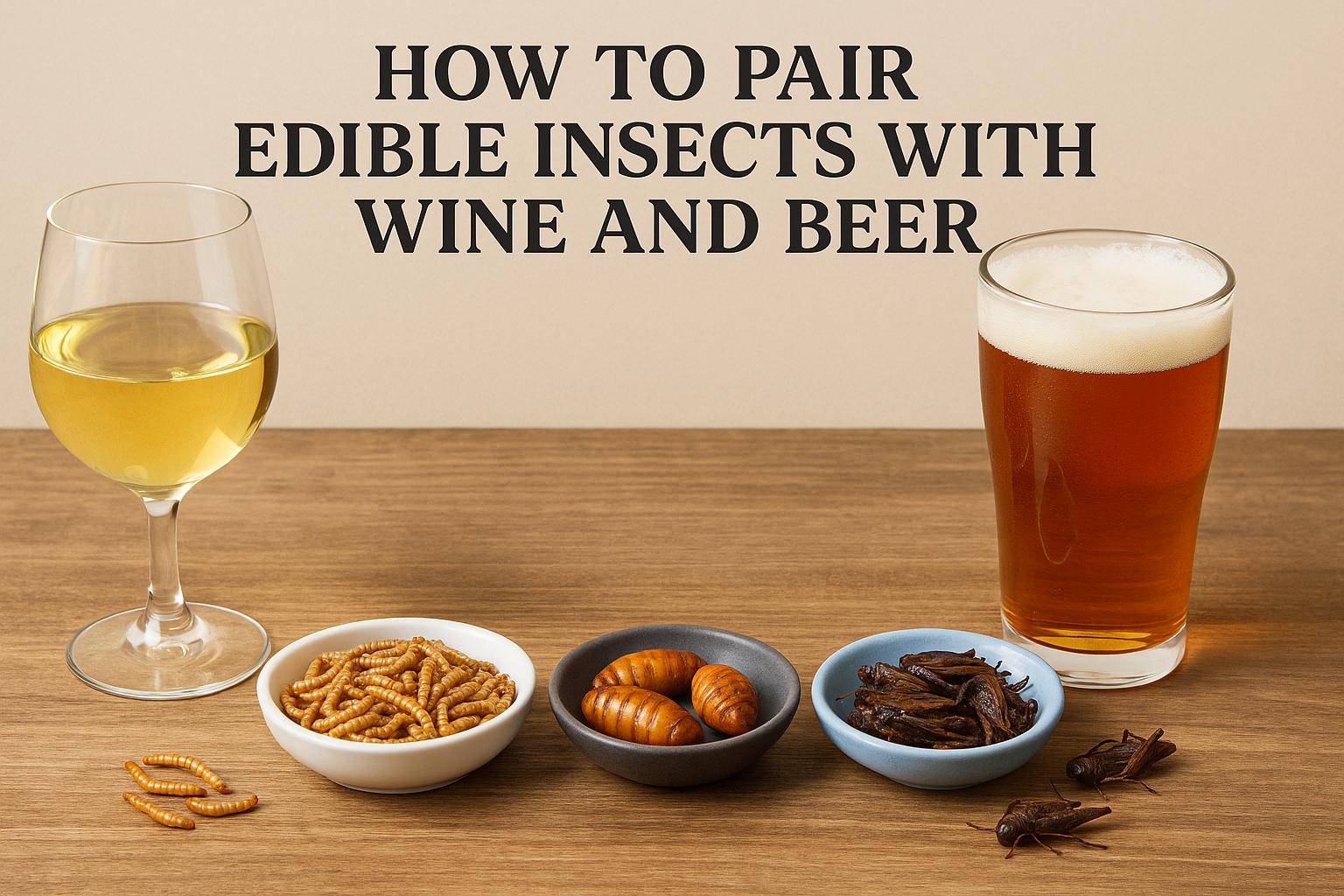
Pairing Edible Insects with Wine
In recent years, the consumption of edible insects has gained significant traction across the globe. Their rise in popularity is largely due to the dual benefits of their rich nutritional value and their environmental sustainability. This shift in dietary trends presents a unique culinary opportunity—pairing insects with traditional beverage options such as wine. By carefully selecting the right wine, the dining experience with these unconventional foods can be notably enhanced. For those adventurous enough to blend these unlikely elements, here are some guidelines to consider when aiming for a harmonious fusion.
Crickets
Among the array of edible insects, crickets have emerged as a favorite for many due to their distinct flavor profile, characterized by nutty and earthy notes. This unique taste can be elegantly complemented with a Chardonnay. Known for its buttery texture and rich characteristics, a moderately oaked Chardonnay can elevate the robust flavors of crickets, resulting in a harmonious and balanced taste experience. For those with a preference for red wine, a light Pinot Noir is an excellent alternative. This wine’s subtle fruitiness brings a gentle contrast to the earthy undertones of the crickets, achieving a delightful interplay of flavors.
Mealworms
Another popular insect choice is mealworms, which carry a slightly sweet and mild flavor. To highlight their natural sweetness, a Riesling serves as an ideal companion. The fruity and floral notes of Riesling, coupled with its balanced acidity, can greatly enhance and complement the mealworms’ inherent sweetness. As an alternative option, a crisp Sauvignon Blanc can provide a refreshing contrast to their rich texture, offering a palate-cleansing experience that refreshes the senses between bites.
Grasshoppers
Known for their flavor reminiscent of green vegetables and mushrooms, grasshoppers bring an intriguing taste to the table. To pair with this distinctive profile, Pinot Grigio or Sauvignon Blanc are both excellent choices. These wines bring floral and citrus notes to the forefront, which can seamlessly enhance and complement the grassy and mushroom-like nuances of grasshoppers, creating an overall balanced and pleasant taste sensation.
Pairing Edible Insects with Beer
Beyond the realm of wine, beer also offers a versatile and dynamic pairing option for insect dishes. Given its wide range of flavors and textures, beer can add another dimension to the insect dining experience. Here are some suggestions for pairing various insects with the diverse selection of beers available.
Chapulines
Chapulines, often recognized as Mexican grasshoppers, are typically seasoned with lime and chili, imparting a tangy and spicy flavor profile. To balance the intensity of these flavors, an Amber Ale with its caramel malt backbone can be an ideal choice. Its rich malt character helps to mellow the spice, offering a satisfying balance. For a lighter touch, a crisp Pilsner provides a refreshing contrast to the spiciness, ensuring a clean and invigorating finish.
Silkworm Pupae
Silkworm pupae present a distinct robust and umami flavor, offering a culinary challenge for pairing. A Stout with its deep, roasted malt character can enhance the richness of the umami notes found in silkworm pupae, creating a deep and savory taste experience. Alternatively, for those seeking a slightly lighter option, an Amber Lager offers an appealing balance of malt sweetness with a clean, crisp finish, making it a suitable partner for the complex flavors of silkworm pupae.
Ants
Ants are often celebrated for their vibrant citrus-like taste, which opens up a world of pairing possibilities. An IPA (India Pale Ale) is a fitting match, with its hoppy and citrus-forward profile that can draw out and enhance the natural citrus notes present in ants. Additionally, a Wheat Beer can act as a smooth and tangy companion to the zesty tang of ants, providing a rounded and pleasant finish.
Conclusion
The art of pairing edible insects with wine or beer can seem daunting due to the unconventional nature of these ingredients. However, by carefully considering the intrinsic flavor profiles of each insect, one can select a beverage that either complements or contrasts these notes beautifully. This thoughtful approach to pairing not only ensures an enjoyable and balanced culinary experience but also showcases the unique flavors of both the insects and the chosen beverages in a new and exciting context. As the culinary world continues to expand and embrace novel foods, such pairings provide an adventurous pathway to appreciating the full potential that these sustainable and nutritious protein sources offer.