The Growing Importance of Insect Farming
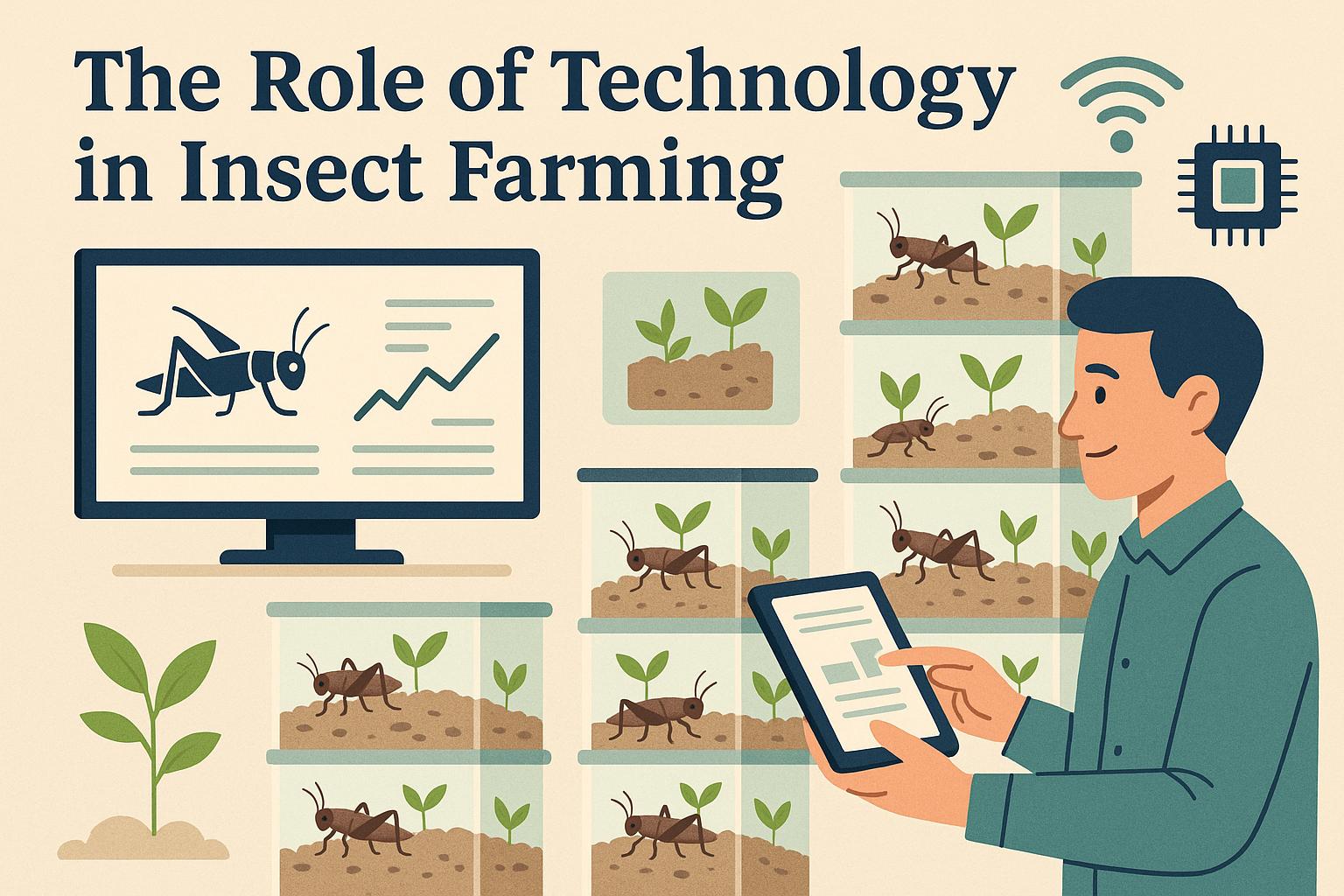
In recent years, insect farming has gained traction as a sustainable alternative to conventional livestock farming. It offers numerous environmental benefits, including reduced greenhouse gas emissions, lower water use, and minimal land requirements. The rise of technology in this sector is playing a crucial role in optimizing production processes and ensuring efficient operations.
Innovative Breeding Systems
Modern insect farms utilize advanced breeding systems to enhance the productivity and health of insect colonies. By using automated climate control systems, these farms can maintain optimal temperature and humidity levels, which are essential for insect growth and reproduction. These systems reduce the likelihood of diseases and help optimize growth rates. Furthermore, the integration of genetic tools allows researchers to selectively breed insects with desirable traits, such as faster growth rates or higher protein content.
Maintaining Optimal Conditions
Insect farms equipped with state-of-the-art climate control technology can maintain precise environmental conditions. The importance of temperature and humidity management cannot be overstated, as these factors directly impact growth and reproduction. Automated systems ensure consistency, something that manual methods struggle to achieve. Such precision is not only beneficial but also essential for large-scale operations aiming for maximum yield and quality.
Selective Breeding
Genetic tools in insect farming are paving the way for the creation of superior insect species. By identifying key genetic markers associated with desirable traits, such as higher protein content, researchers can engage in targeted breeding programs. This scientific approach enhances the overall quality and nutrition profile of insects used for food and feed.
Automated Feeding Solutions
Feeding is a critical component of insect farming, and technology has facilitated the development of automated feeding systems. These advanced systems can accurately dispense the correct amount of feed, minimizing waste and ensuring that insects receive adequate nutrition. Automated feeders can also be programmed to adjust based on the growth stage of the insect, thus optimizing nutritional delivery throughout the lifecycle.
Precision Feeding Techniques
Precision in feeding is crucial for ensuring optimal growth and development. Automated systems have replaced traditional methods, greatly reducing errors in feed dispersal. This not only cuts down waste but also reduces costs for farmers, as every gram of feed is optimally utilized. The systems can monitor insect consumption patterns and adjust feed levels accordingly, providing a dynamic feeding regimen that changes as insects grow.
Adaptive Nutritional Plans
The adaptability of automated feeding solutions is noteworthy. The ability to modify feed compositions tailored to each growth stage is crucial. Younger insects may require more protein, while more mature ones might need other nutrients for reproduction or maintenance. Such adaptability ensures that every phase of the insect’s life is supported nutritionally, maximizing their potential as a resource.
Data-Driven Insights
The implementation of IoT devices and sensors in insect farms enables the collection of real-time data on various parameters, such as temperature, humidity, and feed consumption. This data provides valuable insights that can be used to improve farm management practices. For example, predictive analytics can forecast demand and optimize inventory management, reducing costs and enhancing farm efficiency. You can learn more about IoT in agriculture by exploring further resources online (here).
Real-Time Data Collection
IoT devices allow for continuous monitoring of farm conditions, enabling prompt response to any environmental changes that could affect insect health. This real-time collection is a significant shift from periodic manual checks, allowing for a more responsive and dynamic management approach.
Optimizing Farm Practices
By analyzing data trends over time, farmers can make informed decisions that enhance productivity. For instance, understanding which temperature ranges result in maximum growth can guide environmental settings across farms. Moreover, IoT data can inform feeding schedules and quantities, further fine-tuning the farming process.
Quality Control and Biosecurity
Technology also plays a pivotal role in ensuring quality control and biosecurity measures in insect farming. Automated monitoring systems can detect potential contamination issues, thereby reducing the risk of disease outbreaks. Advanced imaging and scanning technologies can help inspect insect products for quality assurance purposes before they reach consumers. This not only enhances the safety of the food supply but also maintains consumer confidence in insect-based products.
Maintaining Biosecurity
Insect farming requires stringent biosecurity measures due to the dense population of organisms involved. Automated systems provide a robust framework for monitoring potential threats, ensuring foreign pathogens do not disrupt production. Early detection systems can quickly alert farmers to issues, allowing for rapid containment and mitigation.
Assuring Product Quality
Producing safe, high-quality insect-based products is crucial for consumer acceptance. Imaging technologies, such as high-definition cameras and scanners, are vital in assessing the quality of insect products. These systems detect imperfections or contaminants that could compromise safety, ensuring that only prime products reach the market.
The Future of Insect Farming
Technology continues to push the boundaries of what is possible in insect farming. As research progresses, the development of more sophisticated systems and tools will further optimize this burgeoning industry. The blend of technology with traditional farming practices holds promise for meeting the global demand for sustainable protein sources. The continued advancement and integration of technology into insect farming not only hold environmental benefits but also pave the way for innovative agricultural practices.
Emerging Technological Frontiers
Emerging technologies, such as AI and machine learning, promise to revolutionize insect farming further. These tools can predict trends, optimize resources, and enhance overall farm management. As research in these areas expands, the potential applications in insect farming remain vast and largely untapped.
Sustainability and Growth
Insect farming presents a sustainable solution to the global protein challenge. As natural resources become scarcer, insect farming offers a pathway to alleviating pressure on traditional protein sources. Moreover, as consumer awareness grows, insect-based products may become a staple in diets worldwide, fostering broader acceptance and promoting environmental sustainability.