Introduction to Edible Insects in Europe
The integration of edible insects into European diets is gradually gaining traction as concerns about sustainability and food security rise. This shift is primarily driven by the need to find alternative protein sources that have a lower environmental impact compared to traditional livestock. As European countries strive to reduce carbon footprints and enhance food security, the potential for insect-based diets is receiving increased attention. This trend is not only opening new market opportunities but also challenging traditional perceptions of food in Europe.
Reasons for Incorporating Insects
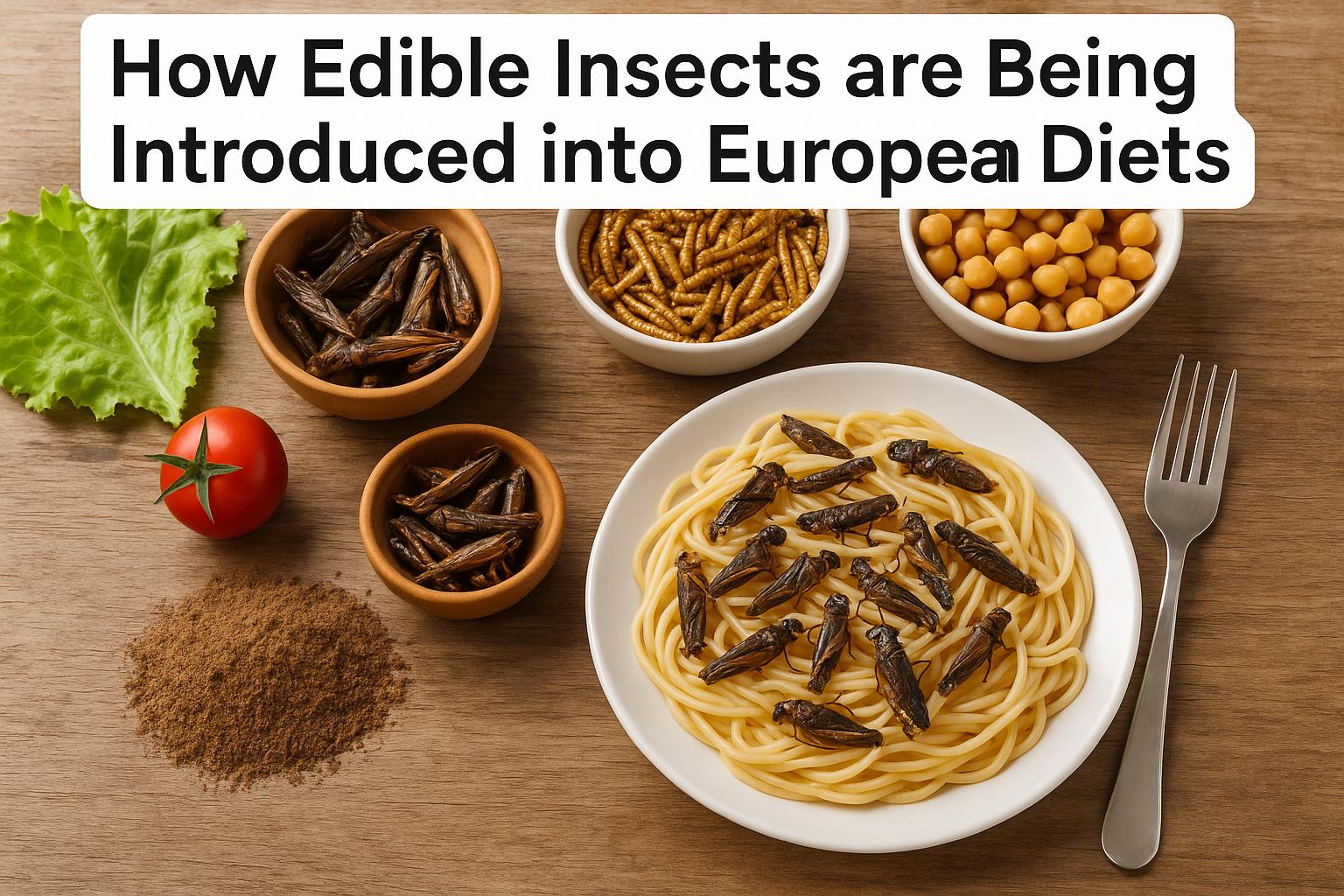
Edible insects, such as crickets, mealworms, and grasshoppers, have long been recognized in various parts of the world for their nutritional benefits. These insects are rich in protein, vitamins, and minerals, making them a nutritious supplement to the human diet. Recent studies have highlighted that they often contain higher levels of iron, zinc, and magnesium compared to traditional meats, which can particularly benefit individuals prone to deficiencies. Additionally, insects require significantly less land, water, and feed compared to conventional livestock, offering a more sustainable option for food production. This efficiency extends to their rapid reproduction rates and minimal food waste generation, positioning insects as an economically viable solution for growing populations.
Environmental and Economic Benefits
The environmental advantages of insect farming are considerable. Insects generate fewer greenhouse gases and demand fewer natural resources in terms of space and feed. For instance, crickets are known to produce around 80% less methane than cows. They also thrive on organic byproducts, reducing overall waste; this contributes to a more circular economy where the byproducts of one process become the inputs for another. Economically, insect farming can provide new income streams, especially in regions that lack the capacity for traditional agriculture. This involves creating business opportunities in urban settings and areas with limited agricultural land, fostering local economies and resilience against global supply chain disruptions.
Consumer Acceptance Challenges
Despite the known benefits, consumer acceptance remains a significant barrier. Many Europeans are unfamiliar with or hesitant about incorporating insects into their diets. There is a cultural resistance primarily rooted in the unfamiliarity of insects as food and the “yuck” factor associated with them. This aversion can be attributed to deeply ingrained food norms and the psychological distance from traditional meats, which are perceived as more legitimate or ‘normal’ food sources. The Western perspective on insects as pests rather than food further compounds this challenge.
Efforts to Increase Acceptance
Efforts to normalize edible insects include incorporating them into familiar food products, such as protein bars, pasta, and snacks, where they are not immediately recognizable as insects. These products often market the health and environmental benefits to appeal to eco-conscious consumers and those seeking high-protein diets. Educational campaigns and tastings are also being used to demonstrate the palatability and benefits of insect-based foods. These initiatives are supported by chefs and food influencers who are experimenting with insects in gourmet recipes, showcasing their versatility and culinary potential. Organizations across Europe are working to improve regulations and standards to ensure food safety and promote consumer confidence in these products. By aligning with safety standards and clear labeling, they establish trust among consumers and offer transparency about the sourcing and processing of insect-based foods.
Regulatory Frameworks and Market Availability
The European Union (EU) has been actively working on creating a regulatory framework that supports the safe introduction of edible insects. The EU Novel Food Regulation provides a basis for assessing and approving insects for human consumption. This regulatory support is expected to facilitate the growth of the edible insect market in Europe. Regulations focus not only on the safety and nutritional content of insect products but also encourage innovation in the food sector by clearly outlining pathways for product approval. By including edible insects in the Novel Food Catalogue, the EU ensures that comprehensive scientific evaluations are conducted on their safety, allergenicity, and nutritional impacts.
Looking Forward
As Europe seeks to build a more resilient and sustainable food system, edible insects represent a viable alternative protein source poised for growth. Continued efforts in education, regulation, and product development are critical for enhancing consumer acceptance and expanding market opportunities. Beyond consumer markets, edible insects offer potential in addressing food security challenges collaboratively with other innovative solutions like vertical farming and lab-grown meats. The potential for biofortification—enhancing the nutritional quality of insects through selective breeding or feed choice—offers an exciting frontier in maximizing their dietary contribution. The future of edible insects in Europe may significantly impact both dietary practices and environmental sustainability, shaping a new era of food innovation that aligns with global sustainability goals.
In summary, while the journey towards widespread adoption of edible insects in Europe is complex, it is an essential component of transitioning towards a more sustainable, resource-efficient food system. By overcoming cultural barriers and integrating rigorous safety standards, edible insects have the potential to redefine protein sources in a manner that benefits both the planet and its inhabitants.