The Nutritional Value of Insects
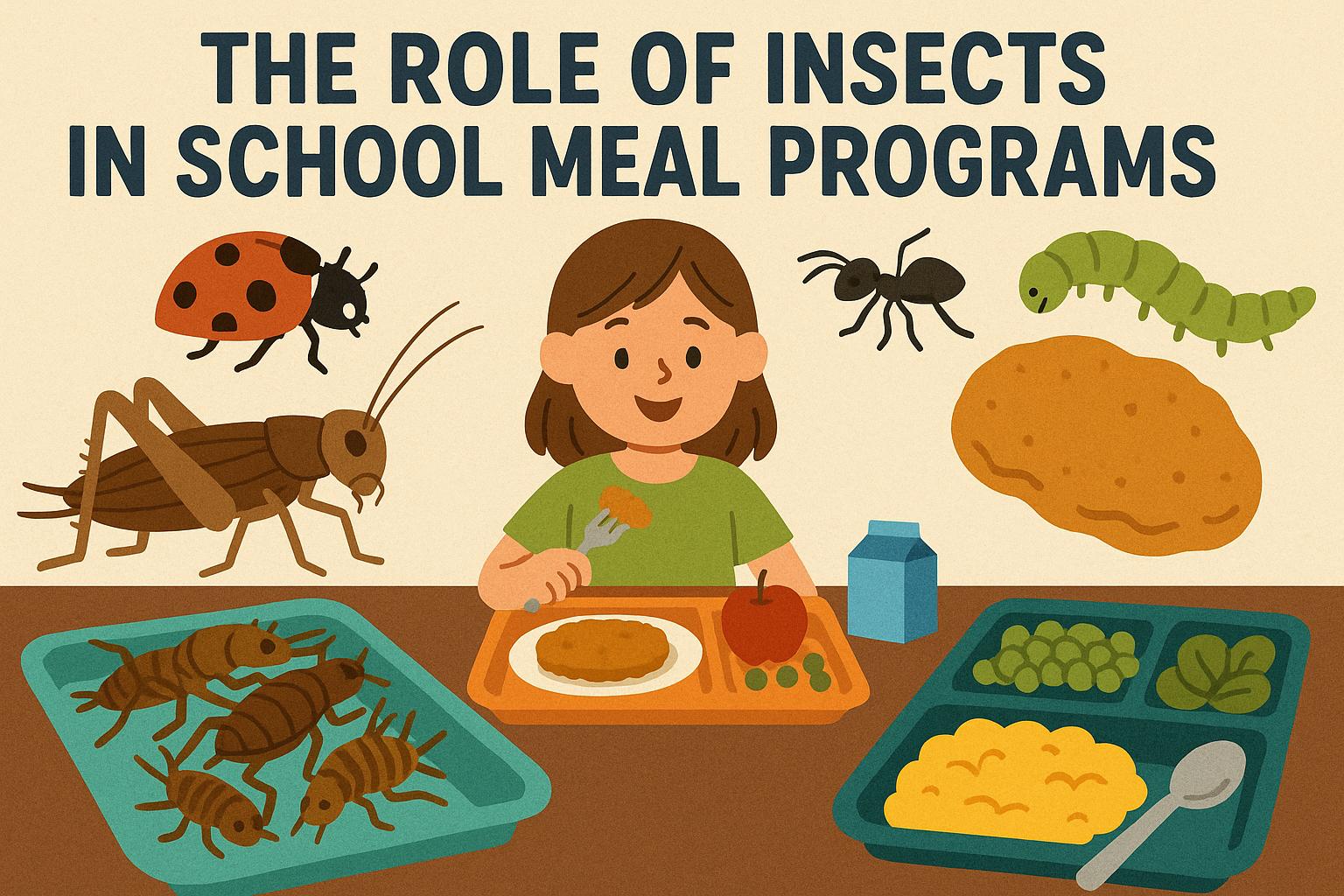
In recent years, a growing interest in sustainable food sources has brought insects into the spotlight as an alternative protein source. Particularly in school meal programs, insects present a highly nutritious option. Not only are they abundant in protein, but they also offer a range of vitamins and minerals essential for the growth and development of children. For instance, crickets provide more protein per gram than traditional meat sources like beef. Additionally, they are rich in critical nutrients such as iron and zinc, which play significant roles in maintaining a balanced diet. Research supports the idea that introducing insects into school menus can substantially improve both the nutritional intake and dietary diversity of students, contributing to their overall health and well-being.
Sustainability and Environmental Impact
Beyond their nutritional advantages, insects are gaining attention for their environmental benefits. Compared to conventional livestock, insects require much less land, water, and feed. For example, producing one kilogram of insect protein uses only a fraction of the water needed to produce the same amount of beef protein. This efficiency translates into reduced carbon emissions and a lower overall environmental impact, important considerations in the context of climate change and sustainable agriculture. As educational institutions seek innovative solutions to minimize their ecological footprint, insects emerge as a practical alternative, aligning with the goals of creating sustainable and eco-friendly meal programs in schools.
Incorporating Insects in School Menus
Around the globe, various schools have implemented pilot projects introducing insect-based products into their meal offerings. One practical approach involves using insect flour, which can be seamlessly integrated into familiar food items like muffins, crackers, and pasta. This method allows schools to introduce insect protein with minimal disruption to students’ traditional meal preferences. The process usually involves careful planning, including taste tests and feedback surveys, to evaluate the acceptability and satisfaction of the students and their families. Educators and school administrators often engage parents and guardians in consultations to ensure broad acceptability within the school community. Additional information and guidance on these innovative programs are available through resources such as the United Nations Food and Agriculture Organization.
Educational Benefits
Introducing insects into school meal programs also provides unique educational opportunities. It opens avenues to teach students about entomophagy—the practice of eating insects—and the importance of sustainable food sources. By including this subject in the educational curriculum, schools can promote awareness and understanding of alternative food practices, encouraging students to become informed and conscientious consumers. In this manner, the integration of insects into school meals can be an educational tool that fosters critical thinking about global food systems and the broader implications of dietary choices. Educational institutions looking to expand their resources on these topics can consult materials offered by environmental organizations like FAO.
Overcoming Challenges
Despite the evident benefits, the adoption of insects in school meal programs faces several challenges. Cultural perceptions around eating insects and potential allergy concerns are significant hurdles that need addressing. Engaging with parents, students, and staff through informational sessions helps demystify unfamiliar practices and fosters transparency. Taste-testing initiatives can further aid in overcoming initial resistance by providing firsthand experiences of insect-based foods. Additionally, there is a need to navigate and comply with food safety regulations and standards to ensure that edible insect products meet safety requirements. Addressing these regulatory hurdles is crucial to provide reassurance to all stakeholders involved.
Overall, while integrating insects into school meal programs presents its share of challenges, it holds considerable promise for enhancing childhood nutrition, promoting environmental sustainability, and offering rich educational benefits. As schools explore these burgeoning opportunities, a collective effort involving educators, policymakers, and local communities will be key in advancing this innovative approach to nutrition and sustainability. Through collaboration and engagement, the potential of insects as a viable food source can be realized, paving the way for healthier and more sustainable future meal programs.