The Role of Insects in Addressing Food Insecurity
The growing attention being paid to insects as a viable food source in emergency scenarios marks an essential development in the global dialogue on food security. With the multifaceted threats posed by climate change, surging populations, and the instability of traditional agricultural practices, the search for alternative sustenance has become critical. Insects offer a promising, sustainable, and efficient source of nourishment.
Nutritional Value of Insects
Insects boast an impressive nutritional profile. Packed with essential nutrients, they are a potent source of high-quality proteins comparable to those present in conventional livestock such as cattle and poultry. This protein is crucial for maintaining muscle mass and promoting general growth and health. Beyond protein, insects are abundant in vitamins and minerals vital to human health. These vitamins include iron, zinc, and vitamin B12, each playing pivotal roles in bodily functions such as oxygen transport, immune system enhancement, and nerve function respectively. The protein-to-weight ratio in insects is favorable, with crickets, for instance, containing about 60% protein by weight. This makes them not just a viable, but attractive nutritional supplement. Learn more about food security challenges.
Environmental Advantages
The environmental benefits of farming insects are substantial. Unlike conventional livestock, insects require significantly less land, water, and feed, reducing the ecological footprint associated with food production. As environmental sustainability becomes increasingly central to global agendas, insect farming aligns perfectly with these aspirations. Insects can efficiently convert organic waste into consumable protein, aiding in waste reduction and offering a solution to the increasing waste generation seen worldwide. The greenhouse gas emissions from insect farming are considerably lower than those associated with raising traditional livestock. Thus, incorporating insects as a food source contributes to efforts aimed at mitigating climate change impacts.
Efficient Production Cycle
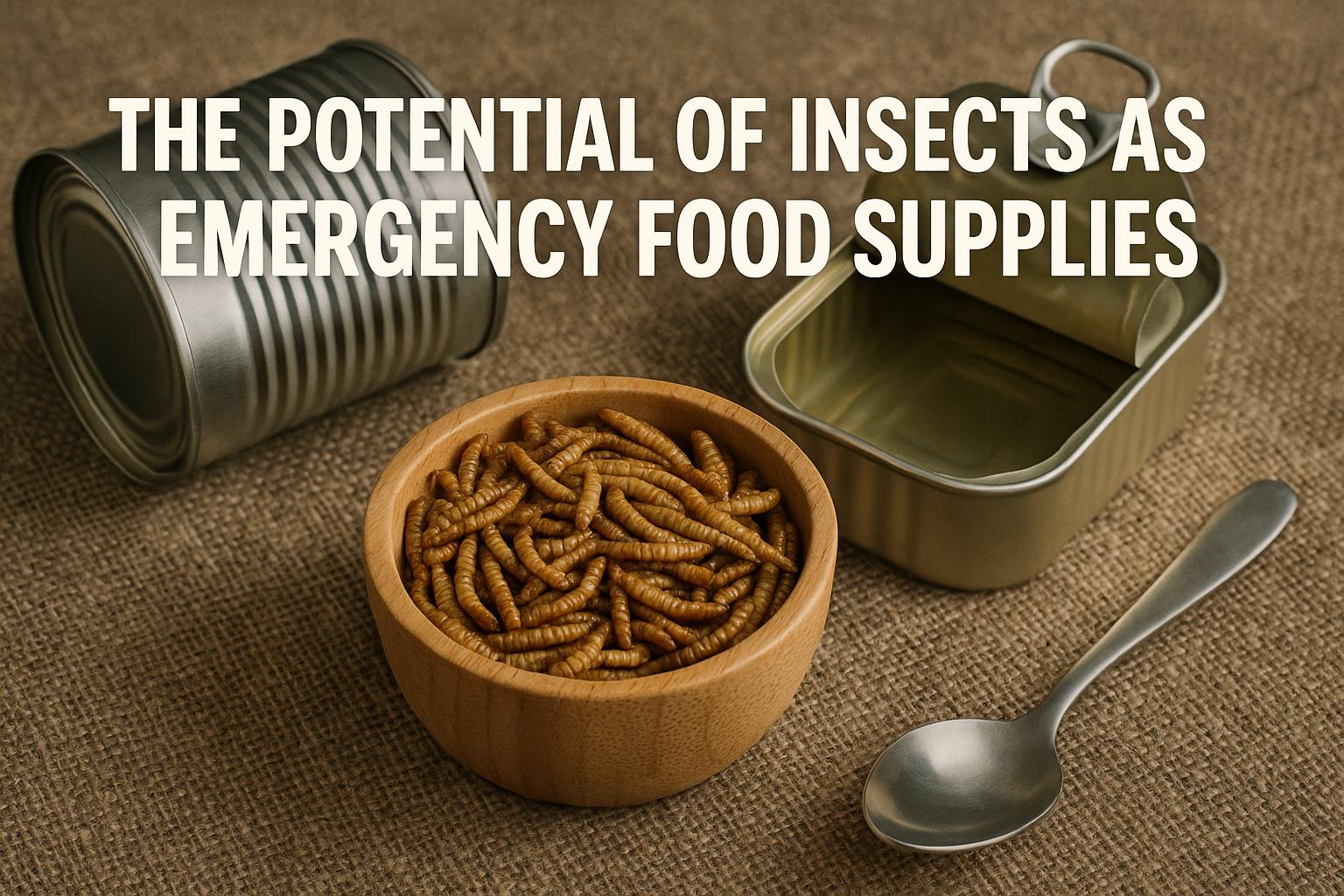
The production of insects is marked by efficiency, primarily because of their rapid growth and reproduction cycles. These swift cycles ensure that insects can be farmed on a large scale quickly, making them particularly beneficial in emergency situations where traditional food supply chains might be disrupted. The brief lifecycle of insects such as crickets allows for the rapid replenishment of food stocks, offering a reliable source of nutrition in crisis scenarios. This aspect is critical for maintaining food security during emergencies where time and resources are constrained.
Cultural Acceptance and Consumption
Insects have been part of the diet in many cultures for centuries. Regions such as Southeast Asia and Africa embrace insects as a traditional food source. However, in many Western countries, the concept of eating insects, or entomophagy, remains novel and largely unexplored. Efforts are being made to bridge this cultural gap, aiming to increase acceptance and consumption of insects as food. These efforts focus on education and awareness, highlighting the health benefits, palatability, and culinary versatility of insects. Informative campaigns that demonstrate the preparation and cooking of insects could significantly thicken the ice of cultural reticence towards consuming insects in these areas.
Challenges and Considerations
Despite the evident advantages, several challenges hinder the integration of insects as a mainstream food source. First are the regulatory hurdles, where existing food safety laws and standards need to adapt to include insects in a regulated manner. Public perception remains another barrier, as centuries of dietary habits and cultural perceptions shape consumer attitudes. Dependable and efficient supply chains for insect-derived food products are still under development. To fully exploit the substantial potential of insects for food security in emergencies, these challenges require coordinated solutions. Governments, research institutions, and the food industry need to collaborate to address these issues effectively.
Conclusion
In the quest to secure global food supplies amidst growing environmental and demographic pressures, insects emerge as a promising solution. Their high nutritional value, minimal environmental impact, and rapid production cycle position them as potential keystones in sustainable food systems. As the research and development of insect-based food products advance, the vision of using insects to address food insecurity becomes more tangible. Through education, regulatory reform, and the innovation of supply chains, insects could play an increasingly prominent role in ensuring food security for future generations.