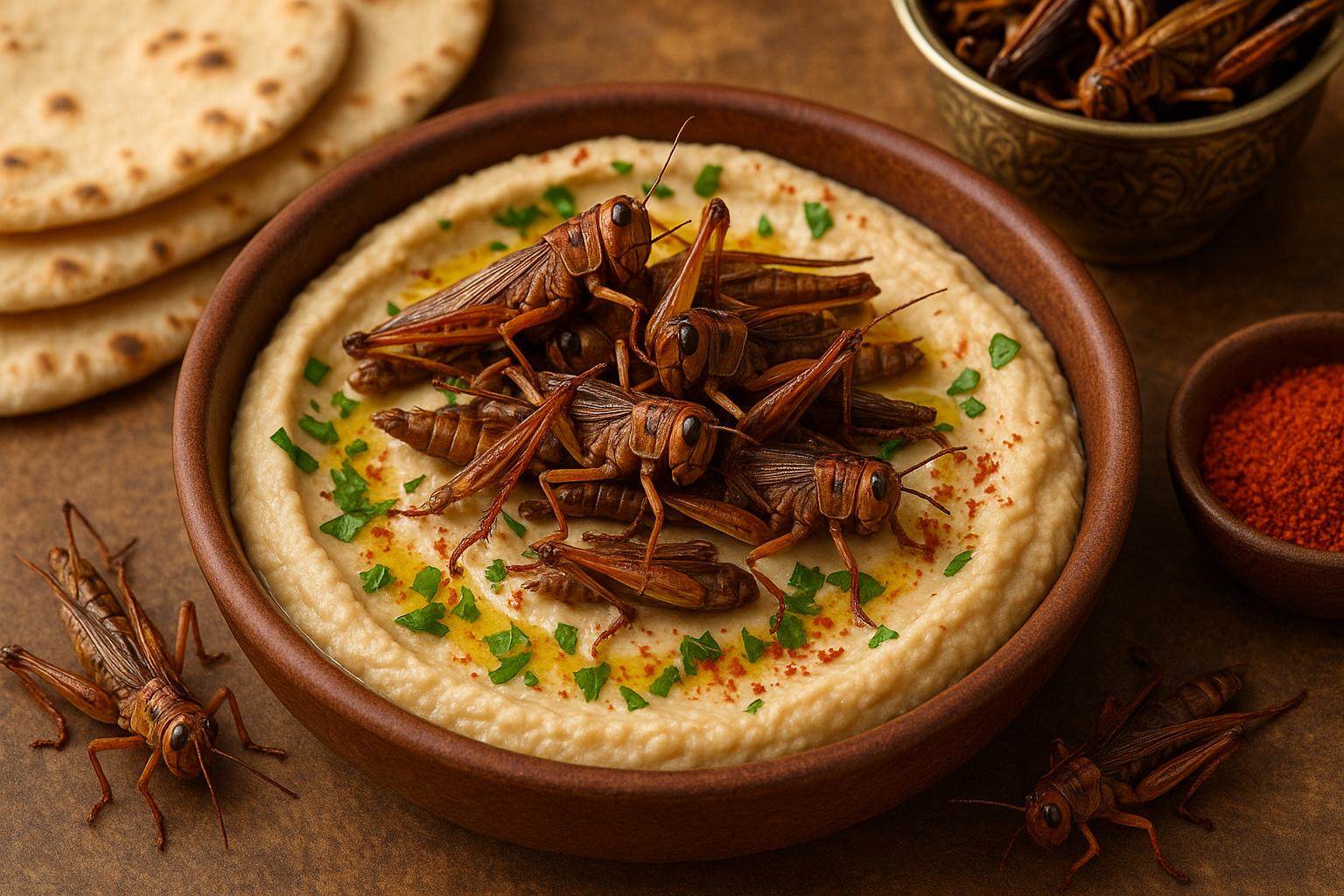
The Role of Grasshoppers in Middle Eastern Cuisine
In various parts of the Middle East, grasshoppers have been a part of traditional diets for centuries. While their inclusion in modern culinary practices might seem unusual to some, in reality, these insects offer both nutritional and cultural value that has sustained generations.
Cultural Significance
Grasshoppers hold historical importance within several Middle Eastern communities. They are often mentioned in ancient texts and scriptures, highlighting their longstanding role as a food source. From a cultural perspective, consuming grasshoppers is sometimes seen as a symbol of endurance and adaptability, especially in areas where food resources are scarce. This tradition intertwines deeply with the cultural narratives of survival and resourcefulness, underpinning the social fabric of these communities.
The practice of consuming grasshoppers can be seen as a testament to the resilience of the human spirit in challenging environments. Their consumption is often linked to the celebration of harvests and is sometimes featured in local festivals, underscoring their significance beyond mere sustenance. These gatherings provide an opportunity to share knowledge about traditional preparation methods and recipes, serving as an important cultural transmission between generations.
Nutritional Benefits
Grasshoppers are an excellent source of protein, vitamins, and minerals. They are particularly high in protein content, making them a valuable food item. Additionally, they are low in fat and rich in essential fatty acids, which are crucial for maintaining a healthy diet.
Nutritional Composition: Grasshoppers can contain up to 70% protein by dry weight, which is significantly higher than that of traditional livestock such as beef or chicken. Moreover, they are rich in B vitamins, including riboflavin and pantothenic acid, which play critical roles in energy metabolism and the synthesis of important biomolecules.
The minerals present in grasshoppers, such as iron, zinc, and magnesium, contribute to various physiological functions. Iron is vital for oxygen transport, zinc supports immune function, and magnesium is essential for bone health and energy production. This nutrient density makes grasshoppers an attractive dietary option, particularly in regions where nutrient deficiencies are prevalent.
Culinary Applications
Traditionally, grasshoppers are prepared using various cooking methods, including frying, roasting, and boiling. They are often seasoned with local spices and herbs to enhance flavor. For instance, in some Middle Eastern countries, grasshoppers are cooked with ingredients like cumin, coriander, and turmeric, adding to the complexity of the dish.
Beyond traditional methods, contemporary chefs are beginning to experiment with grasshoppers, incorporating them into fusion dishes that blend modern culinary techniques with ancient traditions. This innovation can help introduce grasshoppers to new audiences, merging traditional flavors with global culinary trends.
Integration in Dishes
Incorporating grasshoppers into dishes can involve simple cooking techniques. For example, after being cleaned and thoroughly dried, grasshoppers can be fried until crispy and then added to dishes for texture and flavor. They can also be ground into a powder and used as a protein-rich thickening agent for soups and stews.
Their versatility allows them to be integrated into both savory and sweet preparations. For instance, grasshopper powder can be blended into flour to make nutrient-rich breads and pastries. This not only enhances the nutritional profile of the food but also offers a unique taste experience for adventurous eaters.
Sustainable Food Source
The use of grasshoppers is not just tied to tradition but also to sustainability. Insects like grasshoppers can be farmed with minimal environmental impact compared to conventional livestock. They require less land, water, and feed, offering a sustainable alternative for meeting the world’s growing protein demands.
The farming of grasshoppers and other insects could help alleviate pressure on agricultural systems stressed by climate change and population growth. As a high-efficiency food source, grasshoppers contribute to reduced greenhouse gas emissions and lower resource consumption, aligning with global efforts to create more sustainable food systems.
Learn more about the sustainability of insects as food.
Conclusion
The use of grasshoppers in traditional Middle Eastern cuisine is a fascinating subject that combines history, nutrition, and sustainability. While not a staple in every household today, they remain a testament to the resourcefulness and dietary practices of past generations. As global interest in sustainable foods grows, grasshoppers may continue to find a place in contemporary culinary landscapes beyond their traditional roots.
Looking ahead, the potential integration of grasshoppers into wider food markets could catalyze a shift in perceptions of insect consumption. Public acceptance is critical; thus, education and awareness campaigns are essential to overcoming cultural biases and misconceptions. With proper advocacy, grasshoppers can be positioned not only as a nod to heritage but also as a forward-thinking component of a future-facing diet.