Introduction to Insect Farming and Biodiversity
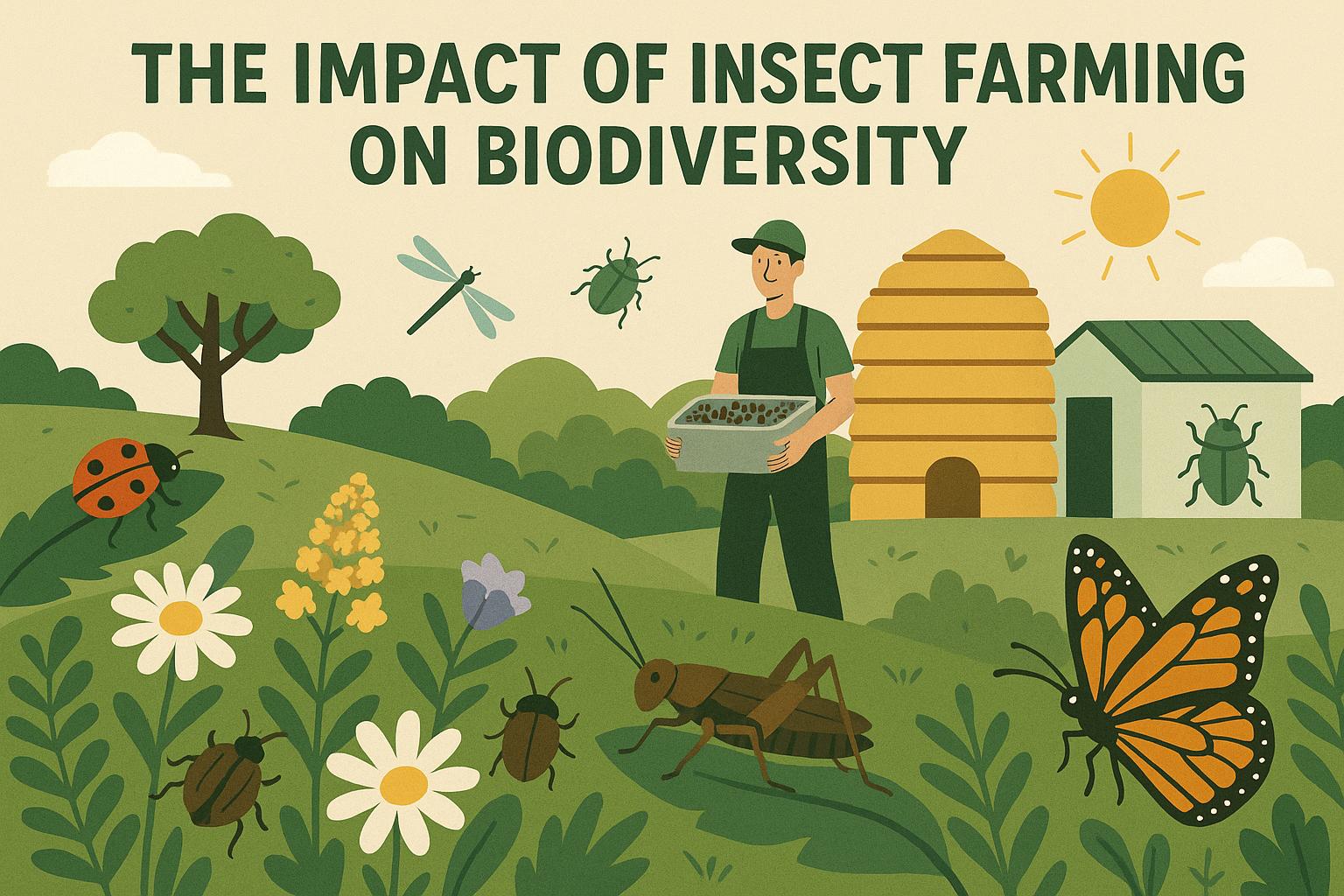
In recent years, insect farming has gained attention as a sustainable alternative to traditional livestock farming. Insects require less land, water, and feed compared to conventional protein sources such as cattle, pigs, and poultry. This shift offers potential benefits for biodiversity, as the reduced pressure on natural resources can contribute to the preservation of diverse ecosystems.
Understanding Biodiversity
Biodiversity refers to the variety of life found on Earth, encompassing the different species, ecosystems, and genetic diversity within them. It plays a crucial role in maintaining the balance of ecosystems. High biodiversity often equates to greater resilience to environmental changes, while loss of biodiversity can lead to ecological imbalance and the collapse of certain natural habitats.
The Role of Insect Farming
Insect farming involves raising and harvesting insects as a source of food or other products. Commonly farmed insects include crickets, mealworms, and black soldier fly larvae. These insects are rich in protein, fats, vitamins, and minerals, making them a viable food source for both human consumption and animal feed.
One significant impact of insect farming is its ability to reduce the environmental footprint of agriculture. Unlike traditional livestock, insects produce fewer greenhouse gases. Moreover, they can be fed organic waste streams, reducing the need for additional agricultural inputs and mitigating waste-related environmental impacts.
Impact on Land Use and Habitat Preservation
Traditional livestock farming is associated with extensive land use, which often leads to deforestation and habitat destruction. By contrast, insect farming requires substantially less space, which can help conserve natural habitats and promote biodiversity. Furthermore, because insects can be farmed in urban environments and industrial settings, the pressure to convert natural landscapes into agricultural land is decreased. This approach could prevent displacement of wildlife and maintain the integrity of existing ecosystems.
Potential Risks and Considerations
While insect farming presents several benefits, it is essential to consider potential risks that could affect biodiversity. For instance, the introduction of non-native insect species into new environments might disrupt existing ecosystems if not managed responsibly. Additionally, high-density insect farming operations need to be carefully monitored to prevent disease outbreaks that could affect local flora and fauna.
Conclusion
The development of insect farming as a sustainable agricultural practice holds promise for promoting biodiversity. By minimizing the demand for land and resources associated with traditional livestock farming, insect cultivation can help preserve natural ecosystems. However, it is critical to approach this sector with careful planning and regulation to avoid unintended consequences. As research and technology in this field advance, careful management can maximize the benefits for both agriculture and biodiversity.
In-Depth Analysis of Insect Farming
Environmental Benefits of Insect Farming
Insect farming brings several environmental advantages. Insects have a high feed conversion efficiency, meaning they can convert feed into protein more effectively than traditional livestock. For example, crickets need only about 1.7 kilograms of feed to produce 1 kilogram of body mass, whereas cattle require about 8 kilograms of feed per kilogram of weight gain. This efficiency helps to reduce the strain on agricultural resources.
Moreover, insects are well-suited for bioconversion. They can process organic waste such as food scraps, agricultural by-products, and other organic materials into valuable protein and compost. This not only reduces waste but also cuts down methane emissions that result from decomposing organic matter.
Nutritional Value of Edible Insects
Edible insects are known for their impressive nutritional profiles. They provide high-quality protein that rivals that of traditional meat sources. Beyond protein, insects also supply essential amino acids, omega-3 and omega-6 fatty acids, vitamins like B12 and riboflavin, and minerals such as iron and zinc. For communities that face food insecurity, insects can serve as a crucial source of nutrition.
From a global health perspective, incorporating insects into diets can address certain nutritional deficiencies while reducing the ecological impact of protein production. This integration of insect-based food into human diets can be pivotal in achieving food security, especially as the global population continues to grow.
Economic Aspects and Market Potential
With the global demand for sustainable food solutions rising, the insect farming industry is beginning to capture significant market interest. Insect farming presents opportunities not just for food production but also for products like pet food, animal feed, and even cosmetics. As the industry grows, job creation in new sectors related to insect farming technology, processing, and distribution is expected.
Economically, insect farming may prove especially beneficial in low-income regions where access to conventional animal protein is limited. Low production costs and minimal resource requirements mean insect farms can operate in areas where traditional farming would be economically unfeasible.
Regulatory and Cultural Challenges
Despite its potential, insect farming faces several challenges before it can be adopted widely. Regulatory frameworks regarding the production and consumption of insects vary significantly around the world. In some regions, strict regulations can slow down the development and expansion of insect farming businesses.
Cultural perceptions also play a crucial role in the acceptance of insects as a food source. In regions where insects are not traditionally consumed, there might be significant resistance to their introduction into diets. Overcoming these barriers requires education and awareness efforts to emphasize the benefits of insect consumption.
Future Directions and Innovations
Research and innovation are key to enhancing the efficiency and appeal of insect farming. Advances in technology, such as automated farming systems and genetic selection, might optimize production processes and improve yields. Additionally, culinary innovation could make insect-based products more appealing to a wider audience by integrating them into familiar foods or creating novel delicacies that highlight their unique flavor profiles.
The future of insect farming relies on a multidisciplinary approach, involving agricultural scientists, nutritionists, policymakers, and business innovators. Coordinated efforts can ensure that this sustainable industry addresses both ecological and socio-economic needs on a global scale.