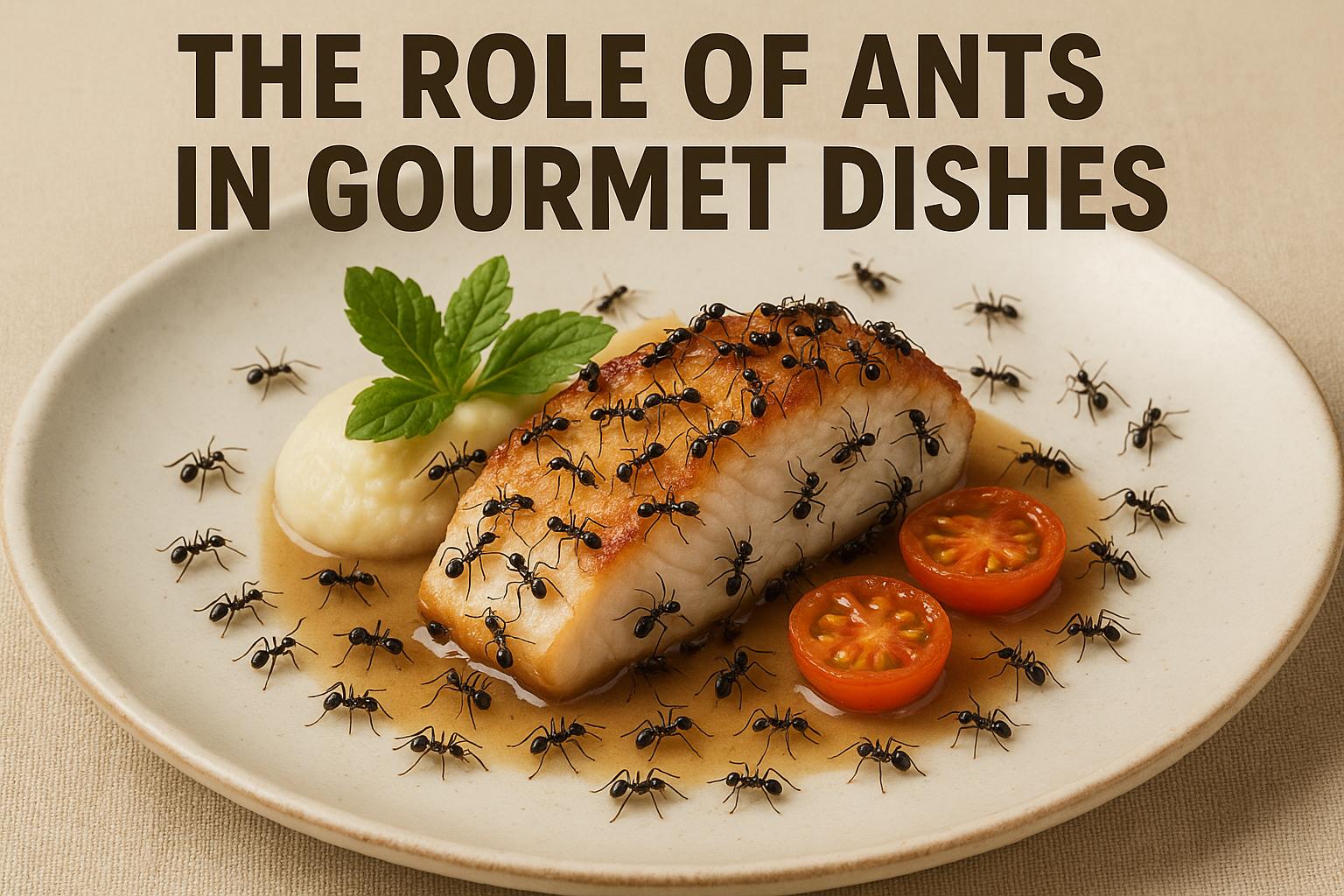
The Rise of Ants in Gourmet Cuisine
In recent years, there has been an unexpected yet intriguing development within the realm of gourmet cuisine. Ants, those minuscule creatures often associated with picnics gone awry, have secured their place in the kitchens of esteemed chefs across the globe. This movement to incorporate ants into culinary creations is not merely a fleeting trend but represents a broader shift towards embracing sustainable and innovative culinary practices.
Culinary Properties of Ants
The unique flavor profile of ants is one of the key reasons for their increasing presence in modern cuisine. Unlike many traditional ingredients, ants possess a distinct and unmistakable taste, often likened to citrus or vinegar. This is primarily due to formic acid, an organic compound found in these insects. The acidity brought about by formic acid provides both a refreshing and tangy dimension to dishes, thus rendering ants a versatile ingredient for enhancing flavors.
Each species of ant carries its own unique set of flavors, offering chefs a palette of taste profiles to experiment with. For example, some ants exude woody notes, while others might impart a fruity essence, allowing chefs to creatively integrate these tiny creatures into their dishes to achieve a desired flavor profile. This ability to mix and match different species enables culinary experts to craft a wide array of taste sensations, continually pushing the boundaries of what is traditionally expected in fine dining.
Sourcing Ants for Culinary Use
One of the critical factors in integrating ants into cooking is ensuring that these insects are sourced in a sustainable and ethical manner. Chefs committed to this practice often collaborate with specialized suppliers. These suppliers not only guarantee a steady and safe supply of ants but also adhere to stringent standards of ethical and sustainable harvesting. By avoiding harm to local ecosystems, they contribute to the environmental soundness of the practice.
For chefs and enthusiasts keen on exploring the potential of ants in cooking, there are numerous resources available that focus on responsible insect sourcing. These resources provide guidance on ethical sourcing practices, helping ensure the protection of biodiversity and promoting sustainable food systems globally.
Ant-Based Dishes Around the World
The use of ants in cooking is not a novel phenomenon. In various cultures, ants have been incorporated into traditional diets for centuries, serving as both a staple source of protein and a natural flavor enhancer. In countries such as Mexico, Colombia, and Thailand, ants play a significant role in local cuisines. They are commonly integrated into a myriad of dishes, from spicy sauces to savory snacks, showcasing the versatility and culinary potential of these tiny insects.
Gourmet chefs often draw inspiration from these rich cultural traditions, crafting contemporary dishes that pay homage to these time-honored practices. By integrating ants into their creations, these chefs not only introduce diners to innovative tastes but also foster a deeper appreciation of global culinary heritage. In doing so, they bridge the gap between past and present, honoring age-old food practices while appealing to modern palates.
The Sustainability Aspect
In today’s world, the importance of sustainability in the food industry cannot be overstated. Traditional livestock farming is resource-intensive and has a significant environmental footprint. In contrast, insects such as ants offer a more sustainable alternative. They require minimal land, water, and food resources, and they produce significantly lower levels of greenhouse gas emissions compared to conventional livestock.
The inclusion of ants in gourmet dishes aligns perfectly with this growing emphasis on environmental stewardship. By choosing to incorporate ants into their culinary repertoire, chefs and diners contribute to a more sustainable food ecosystem. This shift not only promotes a greater awareness of food choices but also encourages broader acceptance of alternative protein sources as viable and attractive options.
Conclusion
As the culinary world continues to evolve, the inclusion of ants within gourmet dishes presents a compelling example of the innovation propelling modern cuisine forward. Chefs remain in a constant pursuit of new ways to engage and delight the senses of their diners, and ants offer an extraordinary combination of flavor, texture, and sustainability. With each bite, diners are not only treated to a novel gustatory experience but are also invited to participate in a movement towards sustainable gastronomy.
For those interested in delving deeper into the fascinating world of insect cuisine and learning more about how chefs worldwide are integrating these unique ingredients into their culinary creations, numerous resources are available. This exploration could lead to a new appreciation for the role of insects in cooking, paving the way for a future where ants and other edible insects feature prominently on plates around the world.